Wondering what vegetables are in season in fall? Look for winter squash, sweet potatoes, Brussels sprouts, beets, carrots, turnips and leafy greens like kale. These are common fall choices, though local availability, quality and prices vary.
This page is part of our seasonal eating guide, which covers the whole year at the market.
| Vegetable | Fall timing |
|---|---|
| Brussels sprouts on the stalk | September through November |
| Sweet potatoes (harvest) | Late August to early November |
| Winter squash (season end) | Through December |
| Winter squash (first arrivals) | As early as late August |
| Kale | Turns sweeter after a few frosts |
Timings come from The Daily Meal’s fall produce guide (published September 2021) and Garden Betty. Harvest dates shift by region and weather, so check the source and your local market before you rely on them.
The fall vegetables to look for first
Fall is the season most tied to the harvest. Markets fill with hearty winter squash, root vegetables and brassicas, the cabbage family.
A quick shopping list for a first fall trip:
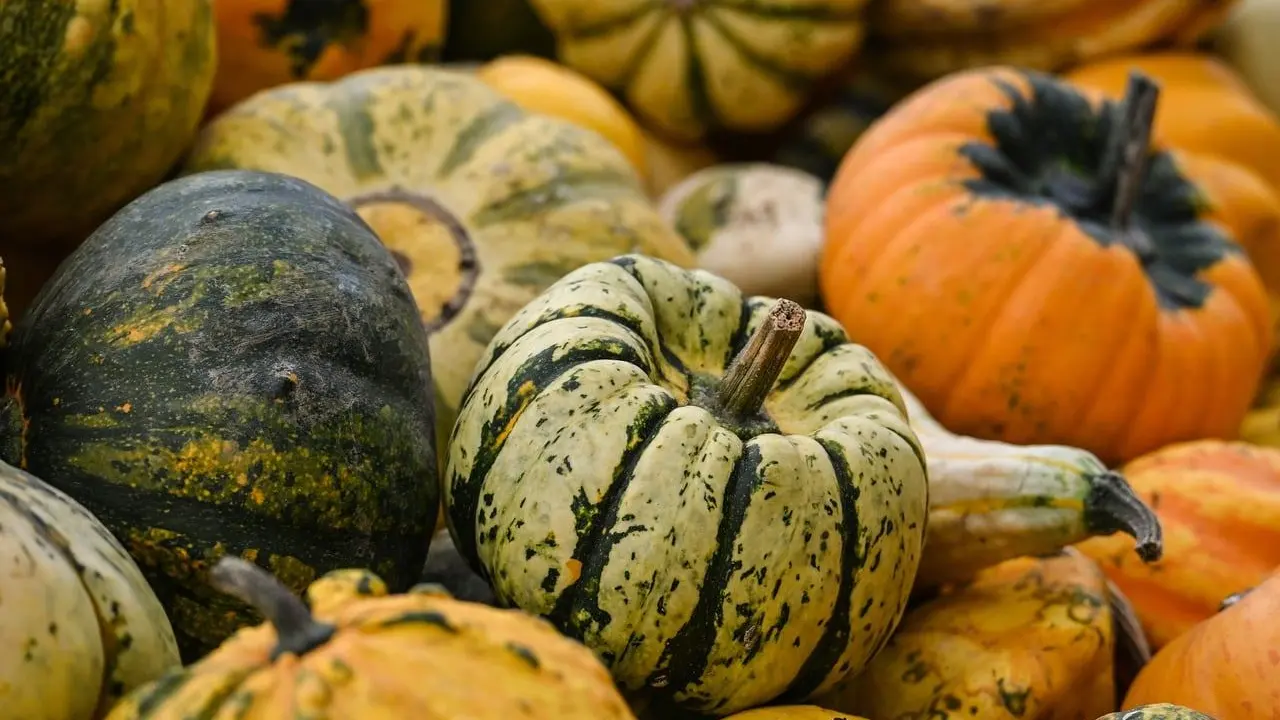
- Winter squash: butternut, acorn, kabocha, spaghetti and buttercup
- Sweet potatoes
- Brussels sprouts, ideally still on the stalk
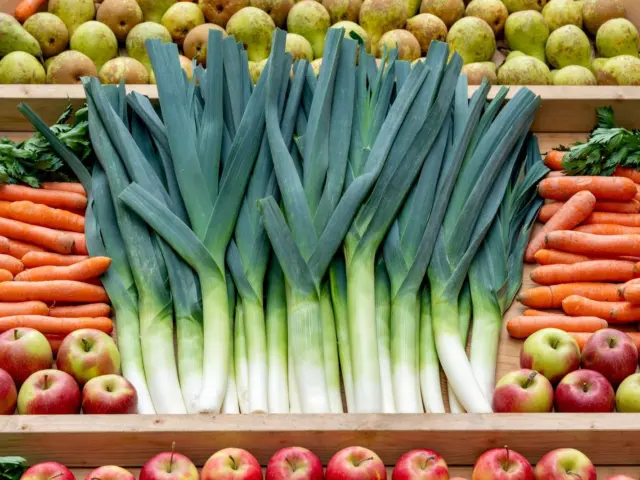
- Beets, carrots, turnips and parsnips
- Kale, collards, cabbage and broccoli
Not every market stocks every item. Regional climate decides what is local, so treat this as a map rather than a promise.
Winter squash and sweet potatoes
Despite its name, winter squash is a fall star. According to The Daily Meal’s guide, its season continues through December, and squash can start appearing as early as late August. The same guide names butternut, acorn, kabocha, spaghetti and buttercup among the most popular kinds.
Sweet potatoes follow a similar rhythm. The guide says they are typically harvested from late August to early November, so the best supply tends to reach markets as the weather cools.
How to pick them
- Choose squash that feels heavy for its size, with firm skin and no soft spots.
- Pick sweet potatoes that are firm and smooth, without wrinkles or bruises.
- Ask the grower how long the vegetables have been stored; many keep for weeks in a cool, dry spot.
Both roast well, and both work in soups and mashes. A simple tray of cubed squash or sweet potato with oil and salt needs little else.
Brussels sprouts, kale and other brassicas
The Daily Meal recommends buying stalk-grown Brussels sprouts at farmers markets during September–November for their flavour. Buying them on the stalk is a good sign of freshness.
Cold changes how these crops taste. Garden Betty notes that in the cabbage family, cold weather increases sugars, and that many leafy greens such as kale turn sweeter when hit with frost a few times.
Kale exposed to sustained cold can taste sweeter. The same list of cold-sweetened crops includes collards, cabbage, kohlrabi, broccoli, cauliflower, mustard greens and spinach.
Ways to cook them
- Roast halved sprouts until the edges brown.
- Shave sprouts thin and serve them raw in a salad.
- Sauté kale or collards with garlic, or add them to soups near the end of cooking.
Root vegetables that sweeten in the cold
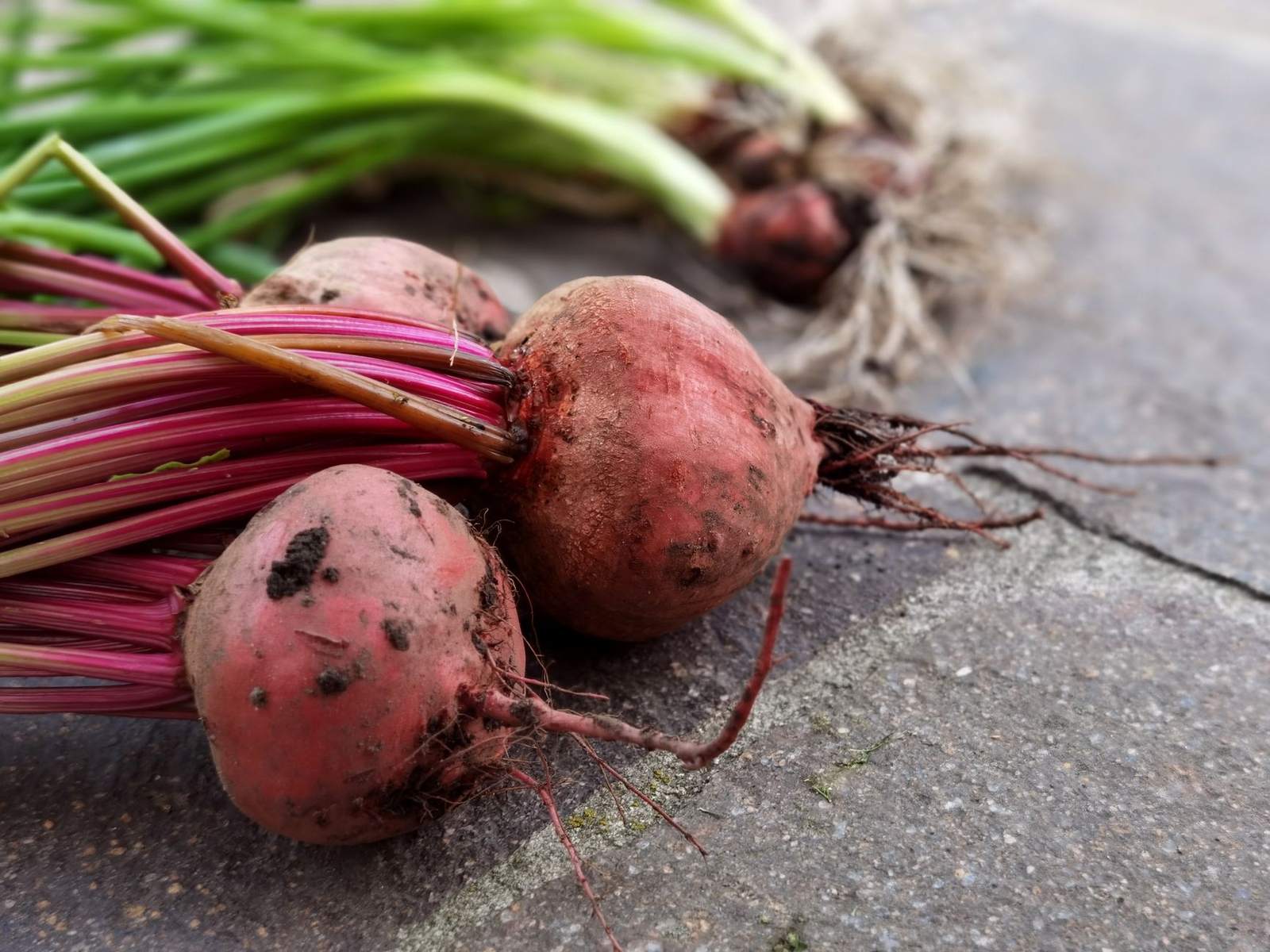
According to Garden Betty, cold triggers the conversion of some stored starch into sugar in root vegetables. Its list of vegetables that get sweeter after frost includes carrots, turnips, radishes, rutabagas, beets, parsnips and celeriac.
Carrots and beets can become sweeter after exposure to cold while growing. Turnips and parsnips, which some people find bitter or bland, can taste noticeably better.
The Daily Meal recommends oven roasting to bring out beets’ sweetness. They also suit soups and salads.
How to shop the fall market well
A little planning makes fall produce go further. Start with what is heaviest and freshest, then cook the delicate items first.
- Walk the whole market once before buying, and compare prices on squash and roots.
- Buy leafy greens and sprouts for the next few days; they are the most perishable.
- Buy squash, sweet potatoes and roots for later in the week or beyond, since they are sturdier.
- Ask growers what is coming next; the answer tells you when to return.
Summer fruit fades as these vegetables arrive. If you are looking back, our note on what fruits are in season in summer shows what you are leaving behind, and the winter produce list shows what comes next.
Many fall vegetables bridge the seasons. Squash, roots and cabbages keep well, so a fall purchase can feed you into the colder months.
Cooking and storing what you bring home
Fall vegetables are forgiving, which is part of their appeal. Most of them reward simple roasting, and a single tray can handle squash, sweet potatoes, beets and sprouts together.
Cut pieces to a similar size so they finish at the same time. Give dense roots a head start in the oven, then add quicker items such as sprouts.
Storage habits that help
- Keep whole squash and sweet potatoes in a cool, dry, dark place rather than the fridge.
- Remove leafy tops from beets and carrots before storing the roots, and cook the tops soon as greens.
- Keep kale, collards and sprouts cold, and use them first.
- Store cut squash wrapped in the fridge and use it within a few days.
These are general kitchen habits rather than rules from a single source. Your grower can tell you how a particular variety keeps.
Why fall produce is worth the trip
Ask growers where and when vegetables were harvested to assess their origin and freshness. Cold-driven sweetness, described above, can improve flavour.
Fall is also a season of variety. A market stall might offer several squash types, a few kinds of kale and a table of roots in different colours, so you can build a week of meals without repeating yourself.
If you are new to some of these, start with one unfamiliar vegetable per trip. A turnip roasted with carrots, or kabocha cubed into a soup, is an easy way to learn what you like.
A simple fall week
- Early in the week: sautéed greens or a shaved sprout salad.
- Midweek: roasted roots with a grain or beans.
- Later in the week: squash or sweet potato soup, made in a big pot for leftovers.
Planning this way uses the fragile items while they are fresh and leaves the sturdy ones for when you have more time.
Why your local fall may look different
Every date in this guide is a general range. A cold northern region and a mild southern one reach fall harvests at different times, and a warm autumn can delay the frost that sweetens greens and roots.
Garden Betty also asks whether cold weather guarantees sweetness, and the point is that it does not. Flavour depends on how long a crop has matured in the cold, so an early cool snap is less useful than a steady, cooler stretch.
The best check is the stall itself. Ask what was picked recently, taste samples where offered, and let the table in front of you update the general lists above.
Seasons also overlap. Late summer crops can linger at a stall while the first squash and sprouts arrive, so a market in early fall often looks like a blend of both.
Frequently asked questions
Is squash a fall or winter vegetable?
Show answer
Both. Winter squash is a common fall choice, and The Daily Meal says its season continues through December.
When are Brussels sprouts in season?
Show answer
The Daily Meal’s guide points to September through November for stalks at farmers markets. Your region may differ.
Why do fall vegetables taste sweeter?
Show answer
Garden Betty explains that root crops convert some starches into sugars as temperatures drop, and cabbage-family crops also build sugars in the cold.
When are sweet potatoes harvested?
Show answer
Typically from late August to early November, according to The Daily Meal’s guide.