Not sure what to bring to a farmers market? Pack sturdy reusable bags, some cash, a cooler for cold items, sun protection and a loose plan. That covers nearly every trip.
This is a practical companion to our farmers market guide, which covers the bigger picture.
| Item | Key fact |
|---|---|
| Reusable bags | Choose bags with sturdy handles |
| Cash | Some vendors may still prefer cash |
| Cooler or insulated bag | Recommended for cold or frozen foods |
| Cold food temperature | 40°F or below |
| Time to refrigerate or freeze perishables | Within 2 hours of purchase (1 hour above 90°F) |
Figures come from UF/IFAS Extension’s shopper factsheet and the UF/IFAS Broward County food safety post. Guidance can change, so check the source before you rely on them.
What to bring to a farmers market: the core kit
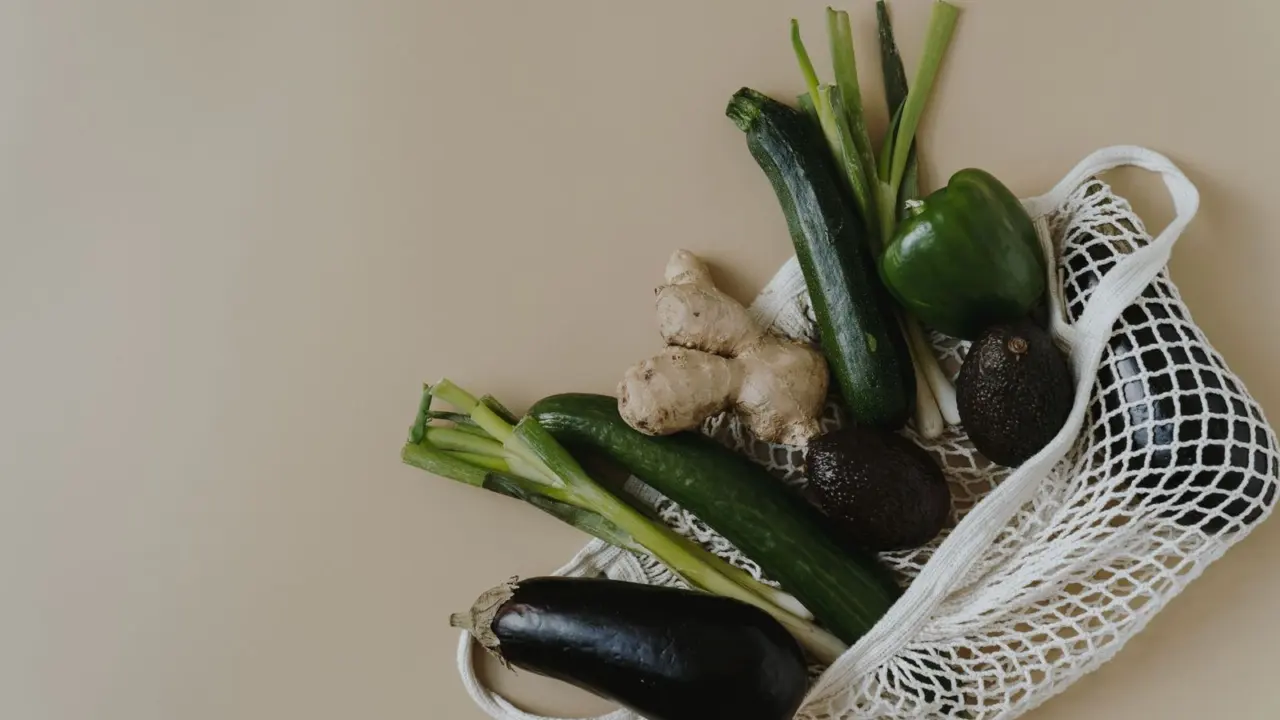
Start with reusable bags. UF/IFAS Extension notes that they reduce plastic waste, and it advises choosing bags with sturdy handles for easy carrying.
Pack more bags than you think you need. Tomatoes, melons and leafy greens all behave differently, so one bag for heavy items and one for delicate ones saves bruised fruit.
Cash and cards
Bring cash, ideally in small bills. The same factsheet says more vendors now accept major credit and debit cards, but some may still prefer cash and will not take other forms.
Small bills also make buying a single bunch of herbs or a pound of beans quick for the vendor and easy for you.
Food assistance benefits
If your family qualifies, the factsheet suggests bringing your EBT/SNAP card. Check the market’s website or information table for SNAP payment procedures and any matching programs.
Keeping food fresh: coolers and ice packs
An insulated bag or cooler matters most when you buy meat, dairy, eggs, fish or anything frozen. UF/IFAS recommends insulated bags or coolers if you plan to purchase cold or frozen foods.
Here is a simple setup:
- A small soft cooler or insulated bag that fits in your trunk or on a bike rack.
- Use enough ice or frozen gel packs to keep cold foods at 40°F or below.
- A separate bag for raw meat, so juices never touch produce.
- Keep the cooler out of direct sunlight.
The two-hour clock
According to UF/IFAS, purchased perishables should reach the refrigerator or freezer within two hours; temperatures above 90°F shorten that deadline to one hour. A separate UF/IFAS Broward County post says cold foods must be kept at 40°F or below.
That shapes your route. Buy the perishables last, go straight home, and save the coffee stop for another day.
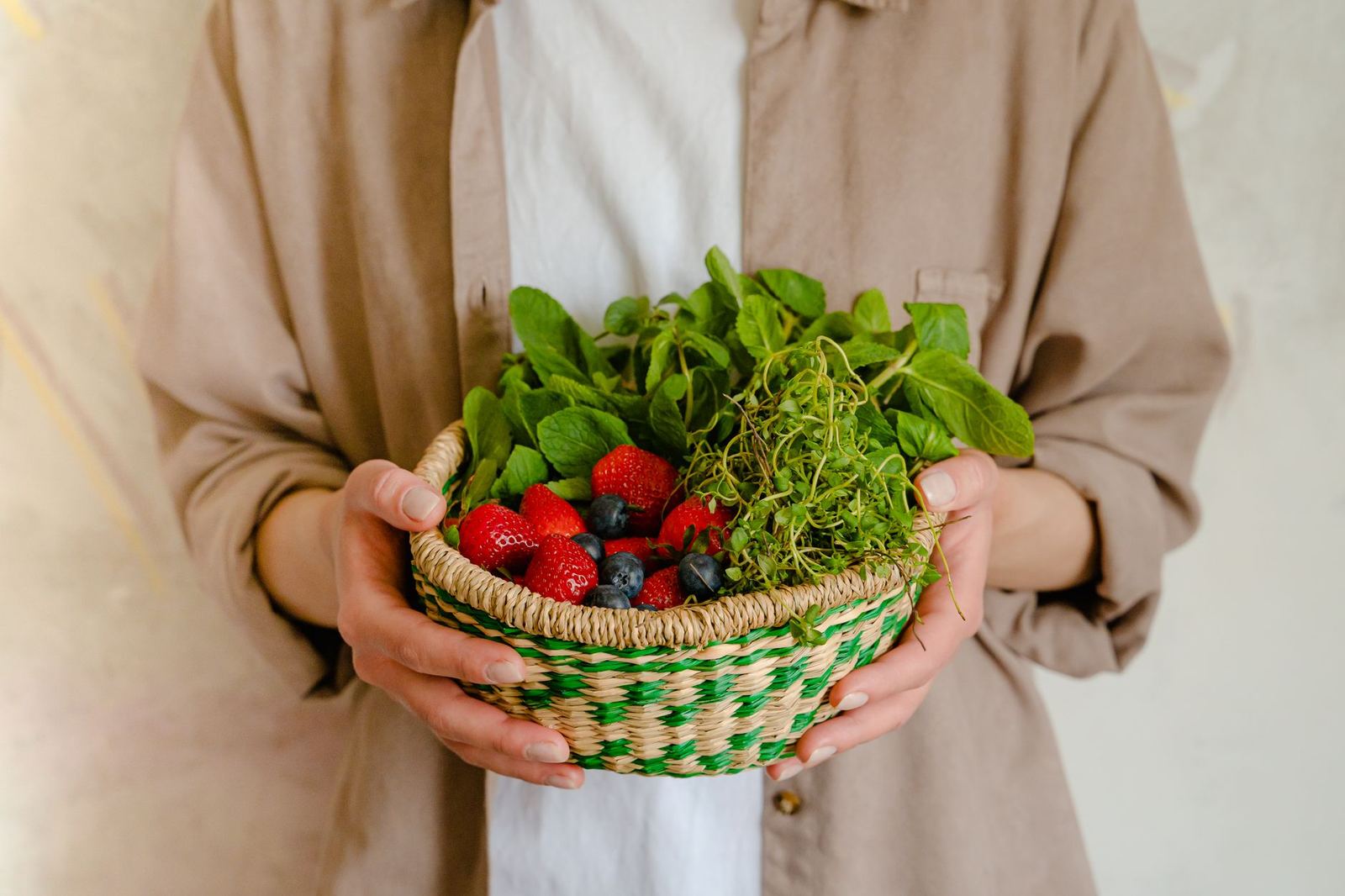
Comfort items for a long morning
Markets are usually outdoors, and you may walk for an hour or more. UF/IFAS suggests wearing sunscreen and considering sunglasses and a hat.
- Comfortable closed shoes, because stalls often sit on gravel, grass or uneven pavement.
- A water bottle you can refill.
- A light layer for early mornings, or a small umbrella if rain is possible.
- Hand wipes or sanitizer for sampling and snacking.
- A small wheeled cart or backpack if you buy in volume.
Washing your hands matters too. The factsheet advises washing hands with soap and water before and after handling food.
Plan before you go
A short plan beats wandering. Check what is in season, think about two or three meals for the week, and write a loose list. Leave room to improvise when a farmer offers something unexpected.
If you are new to the area, use our guide on how to find a farmers market near you to choose a market and confirm its hours. UF/IFAS also points to the USDA National Farmers Market Directory as a reliable place to look.
Browsing a covered public market instead? Our notes on mercado municipal what to buy follow a similar approach, with different stalls.
Arrive early, then walk the whole market
UF/IFAS recommends arriving early for freshness and lighter crowds. Do one full lap before buying so you can compare prices, quality and what is on offer.
Then buy heavy and sturdy items first, and fragile or perishable ones last.
A quick packing routine
The night before, run through a short routine so you are not hunting for a tote at the door. It takes very little time and saves a frustrating start.
- Check the market’s day, hours and location, and note any weather warnings.
- Pull out clean bags and the cooler, and put gel packs in the freezer.
- Count your cash and sort it into small bills.
- Write a loose list of meals, leaving a few gaps for surprises.
- Set out sun protection, a water bottle and comfortable shoes.
Keep everything in one spot, such as a basket by the door. After a few trips the routine becomes automatic, and you can simply grab the kit and go.
Smart habits at the stall
Good gear is half the job. The other half is how you shop once you are there, and a few habits make every visit smoother.
- Ask questions. Farmers can tell you what was picked that morning, what is ripe now and what will be ready next week.
- Ask how to store it. Some produce wants the fridge, some wants the counter, and some wants a cool dark cupboard.
- Taste when samples are offered. It is the easiest way to compare varieties of apples, peaches or tomatoes.
- Be flexible. If your recipe calls for zucchini and the squash is better, change the recipe.
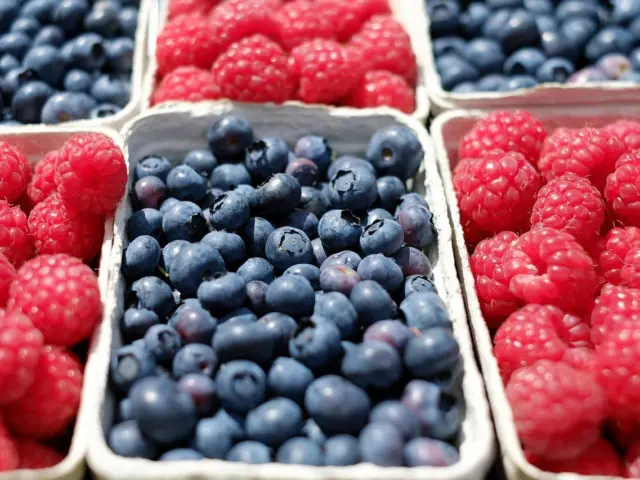
- Return containers. Some growers reuse berry baskets and egg cartons, so bring them back if you can.
Keep a small notebook or a phone note of what you liked and which stall sold it. Within a few visits you will know which vendors to head for first.
Bring the right mindset
Compare prices at individual stalls with what you normally pay. Judge by freshness and flavor rather than by one number on a sign.
Bring patience for lines at popular stalls, too. A friendly conversation while you wait is often how you discover a new vegetable.
After the market: storage and cleaning
The trip is not over at the car. UF/IFAS advises washing and preparing produce just before eating, since washing and cutting too early can lead to faster spoilage.
UF/IFAS recommends rinsing produce under running water before consumption, including produce you will peel, to prevent cutting from carrying bacteria from the exterior into the flesh.
Look after your gear as well. The factsheet recommends washing reusable grocery bags and coolers after each use, and plastic-lined insulated bags should be washed with soap and water, then air-dried.
Frequently asked questions
Do I need cash at a farmers market?
Show answer
It is wise to carry some. UF/IFAS notes that although more vendors accept cards, some may still prefer cash and will not take other forms.
Do I really need a cooler?
Show answer
If you buy cold or frozen foods, yes. UF/IFAS recommends insulated bags or coolers for those purchases. For a bunch of carrots and a loaf of bread, a tote is enough.
How long can groceries sit in the car?
Show answer
UF/IFAS advises refrigerating or freezing perishables within 2 hours of purchase, or within 1 hour if it is above 90°F outside. Use a cooler and head home promptly.
Can I use SNAP benefits at a farmers market?
Show answer
Many markets accept them. UF/IFAS advises bringing your EBT/SNAP card if your family qualifies. Rules differ by market, so confirm with the one you plan to visit.