Standing at the market unsure what to buy? This seasonal eating guide shows you how to follow the harvest: choose what is local and ripe now, then preserve extras for later.
| Item | Value |
|---|---|
| Daily vegetables (2025-2030 guidelines) | 3 servings |
| Daily fruits (2025-2030 guidelines) | 2 servings |
| Frozen, dried or canned produce with no or very limited added sugars | Acceptable |
| Fruits and vegetables in the UC Davis frozen-versus-fresh comparison | 8 items |
| Frozen versus fresh nutrition in that comparison | Generally equal, sometimes better |
Figures come from the American Family Physician summary of the dietary guidelines and an industry-funded UC Davis study summary. Guidance and research can change, so check the sources before you rely on them.
What seasonal eating really means
Seasonal eating means building meals around fruits and vegetables that are naturally ready to harvest in your area at the time you buy them. It is not a diet with rules or a list of banned foods. It is a way of shopping that follows the calendar instead of ignoring it.
The idea has two halves. The first half is about the present: buy what is plentiful now, enjoy it at its best, and let the market guide your menu. The second half is about the future: when something is abundant and cheap, put some away so you can enjoy it when the season has passed.
It also helps to be clear about what it is not. You do not have to give up bananas, lemons or any other crop that does not grow near you. Most people do best with a flexible approach, where seasonal produce is the starting point and everything else fills the gaps.
Where you live changes everything. A tomato that is in season in one region may be months away somewhere else, so local timing matters more than a generic chart. If you want a month-by-month reference to start from, the seasonal produce calendar is a useful companion to this page.
Why eat with the seasons?
People usually name four reasons: taste, price, nutrition and variety. Some of these are better supported than others, so it is worth being honest about each one.
- Taste and quality: produce grown at its natural peak often tastes better than the same item grown out of season.
- Price: when a crop is abundant, there is more of it on shelves and stalls, which tends to bring costs down.
- Variety: following the seasons nudges you to rotate what you eat, which exposes you to different vitamins, minerals and antioxidants.
- Connection: shopping seasonally makes you notice what growers near you are actually harvesting.
A Baylor Scott & White Health article makes the cost argument this way: “crops are easier to grow and take less ‘climate altering’ supplies when grown in season”, so they will “usually be more cost effective”. The same article notes that peak-season crops usually provide more yield, so they are easier to find.
On nutrition, be cautious. The same source suggests that broccoli’s vitamin C content may vary with its growing season. That is a possibility, not a guarantee, and the practical takeaway is modest: fresher produce is usually a bit better, but the bigger win is simply eating more of it.
For a deeper look at the arguments, the benefits of eating seasonal produce are covered in their own guide.
How much produce should you eat?
Seasonal eating helps most when it gets you eating enough fruits and vegetables in the first place. The dietary guidelines, as summarized by American Family Physician, set daily serving targets for colorful vegetables and for fruit, shown in the table above.
That is a useful target to keep in mind when you shop. Those daily targets add up quickly, which is another reason seasonal abundance matters: when produce is plentiful and good value, it is easier to buy enough.
The summary also accepts preserved produce, provided added sugar is absent or minimal. In other words, the guidelines do not demand that everything on your plate be fresh and local.
Think of seasonal produce as the way to make those servings taste good, not as an extra hurdle. If a perfect peach is not available, a bag of frozen berries still counts.
A season-by-season approach
Each season brings a different mood to the kitchen, and it helps to plan around it rather than memorize long lists. Specific availability depends on your region, so use the season guides below as starting points and trust your local market over any chart.
Spring: tender and green
Spring is the season of new growth, and the produce tends to be light, leafy and quick to cook. Meals lean toward salads, quick sautés and simple steaming. Our spring vegetables list goes through what to look for.
- Cook gently so tender vegetables keep their colour and texture.
- Eat the freshest, most delicate items first; they do not keep as long as sturdy crops.
- Pair greens with eggs, grains or beans for a complete meal.
Summer: ripe and juicy
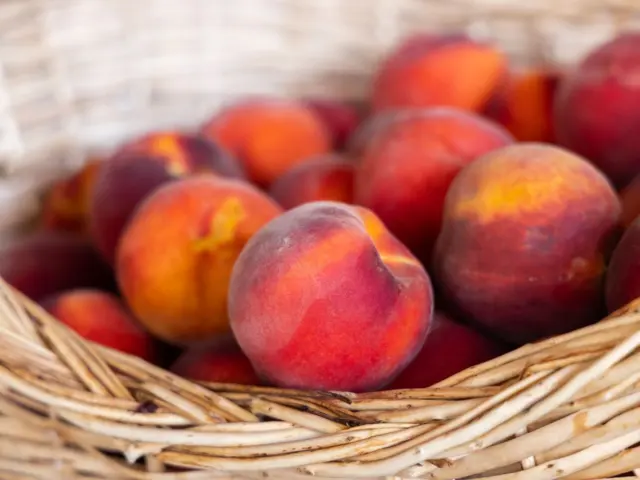
Where summer brings abundant ripe produce, simple raw or lightly cooked meals can be convenient. Much of it can be eaten raw, grilled or lightly dressed. If you are planning ahead, read about what fruits are in season in summer.
- Buy ripe fruit in small amounts to eat soon, and a larger amount to preserve.
- Keep meals simple; ripe produce does not need much seasoning.
- Summer gluts are the best time to start filling the freezer or pantry.
Fall: hearty and sweet
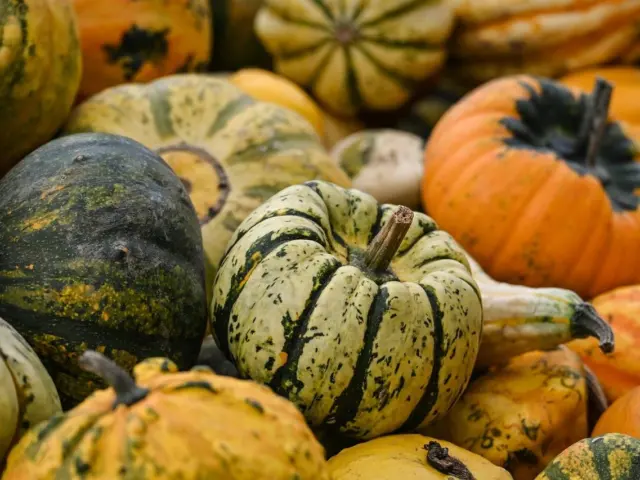
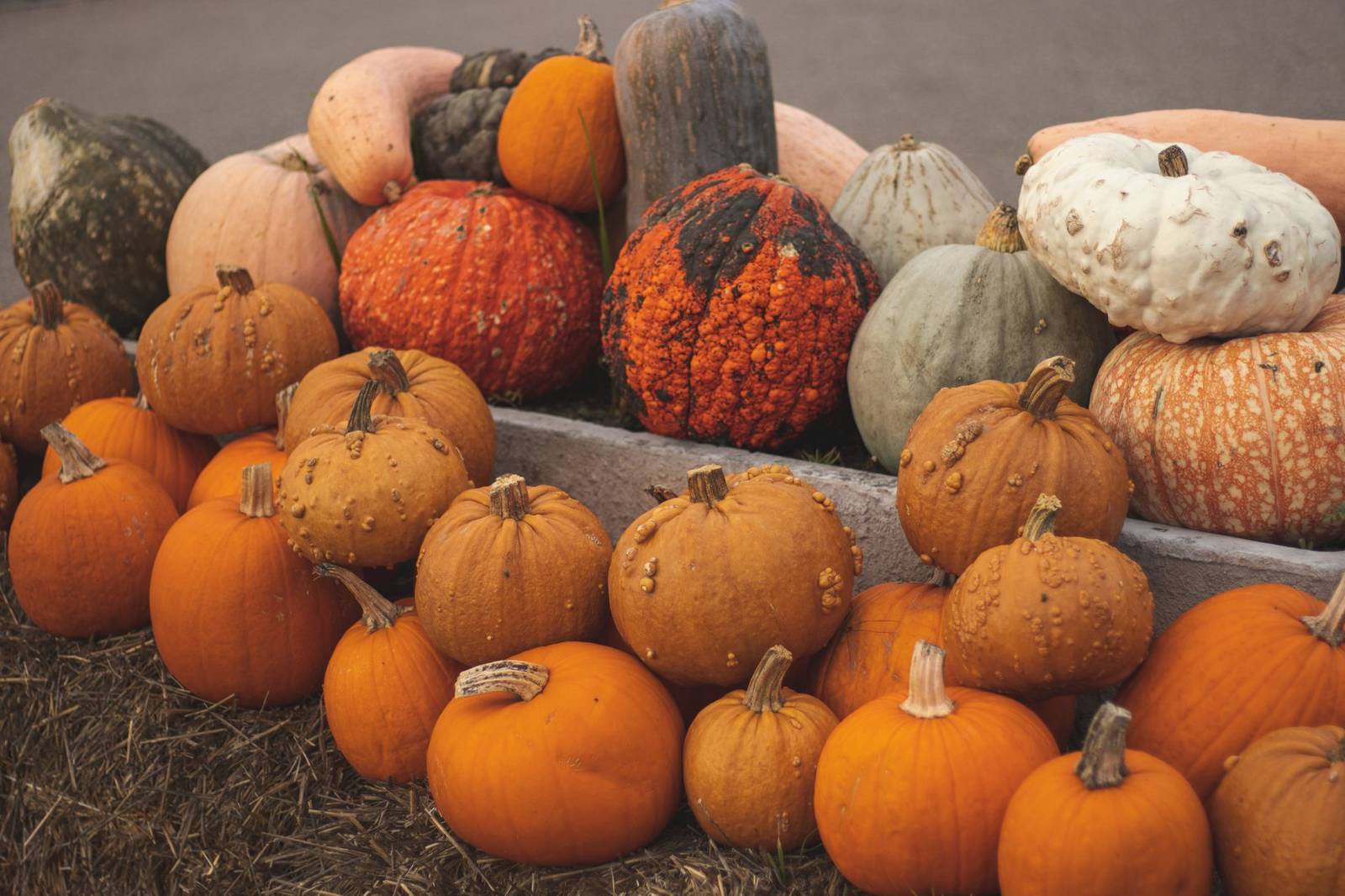
Fall brings sturdier crops that store well and suit roasting, soups and slow cooking. This is also a good time to stock up, as many fall crops keep for weeks in cool conditions. Here is a guide to what vegetables are in season in fall.
- Roast vegetables in big batches and use them across several meals.
- Store firm crops somewhere cool, dark and dry where appropriate.
- Turn leftovers into soups, which freeze very well.
Winter: storage crops and citrus
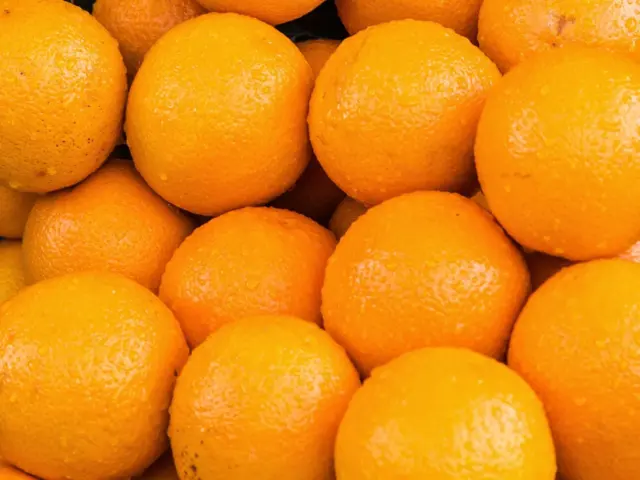
Winter is when seasonal eating asks the most of you, because fresh local choices narrow in colder regions. Roots, cabbages, hardy greens and citrus fill the gap, and your frozen and canned stores take over. The winter produce list covers the options.
- Lean on storage crops and your preserved harvest.
- Use frozen vegetables to keep colour on the plate.
- Brighten heavy winter dishes with citrus, herbs and pickles.
How to shop for seasonal produce
Knowing the theory is one thing; spotting what is actually in season on the day is another. A few habits make it easy, and none of them require special knowledge.
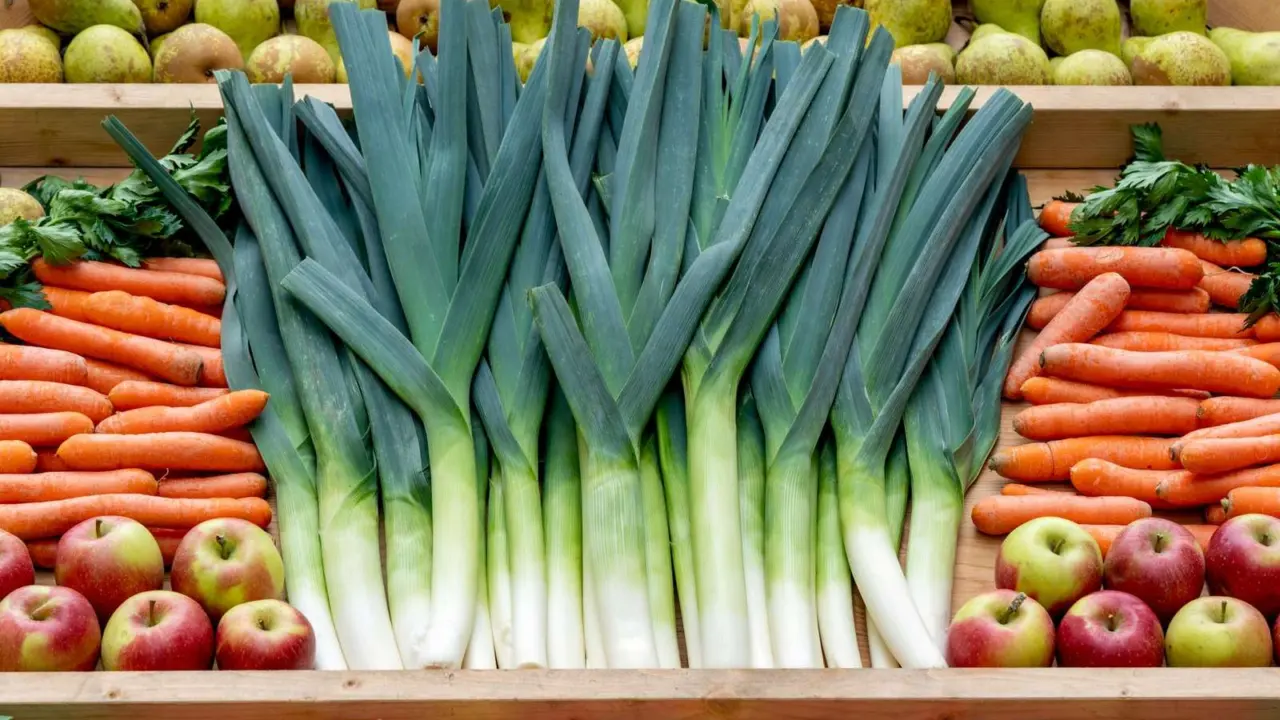
- Look at what is piled high. Abundance can be a clue; check the growing location and harvest timing with the seller.
- Check the price. A sudden drop in the price of something often means the harvest has arrived.
- Ask the grower. At a market, the person who picked it can tell you when it was harvested and how to store it.
- Read the origin. At a supermarket, labels showing a nearby origin often point to local, in-season supply.
- Buy for the week. Buying a little less, more often, keeps delicate produce at its best.
Markets are the easiest place to practise these habits. Our farmers market guide explains how to get the most out of a visit, and the fresh produce guide covers choosing and handling what you bring home.
A good routine is to go with a loose plan rather than a strict list. Decide on a few meal ideas, such as a soup, a salad and a roast, then let what looks best decide the details.
Preserving the harvest for later
Preserving is the second half of seasonal eating. It lets you buy at peak abundance, when quality is best and prices are often lowest, and enjoy the results out of season.
Freezing is the simplest method for most households. It needs little equipment, suits many vegetables and fruits, and keeps the work small. Our guide on how to freeze fresh produce goes step by step.
Canning takes more care but gives you shelf-stable food. Tomatoes are the classic place to start, and our walkthrough of how to can tomatoes at home explains the process. Follow tested, current canning instructions closely, because food safety depends on getting the details right.
Is frozen produce as nutritious as fresh?
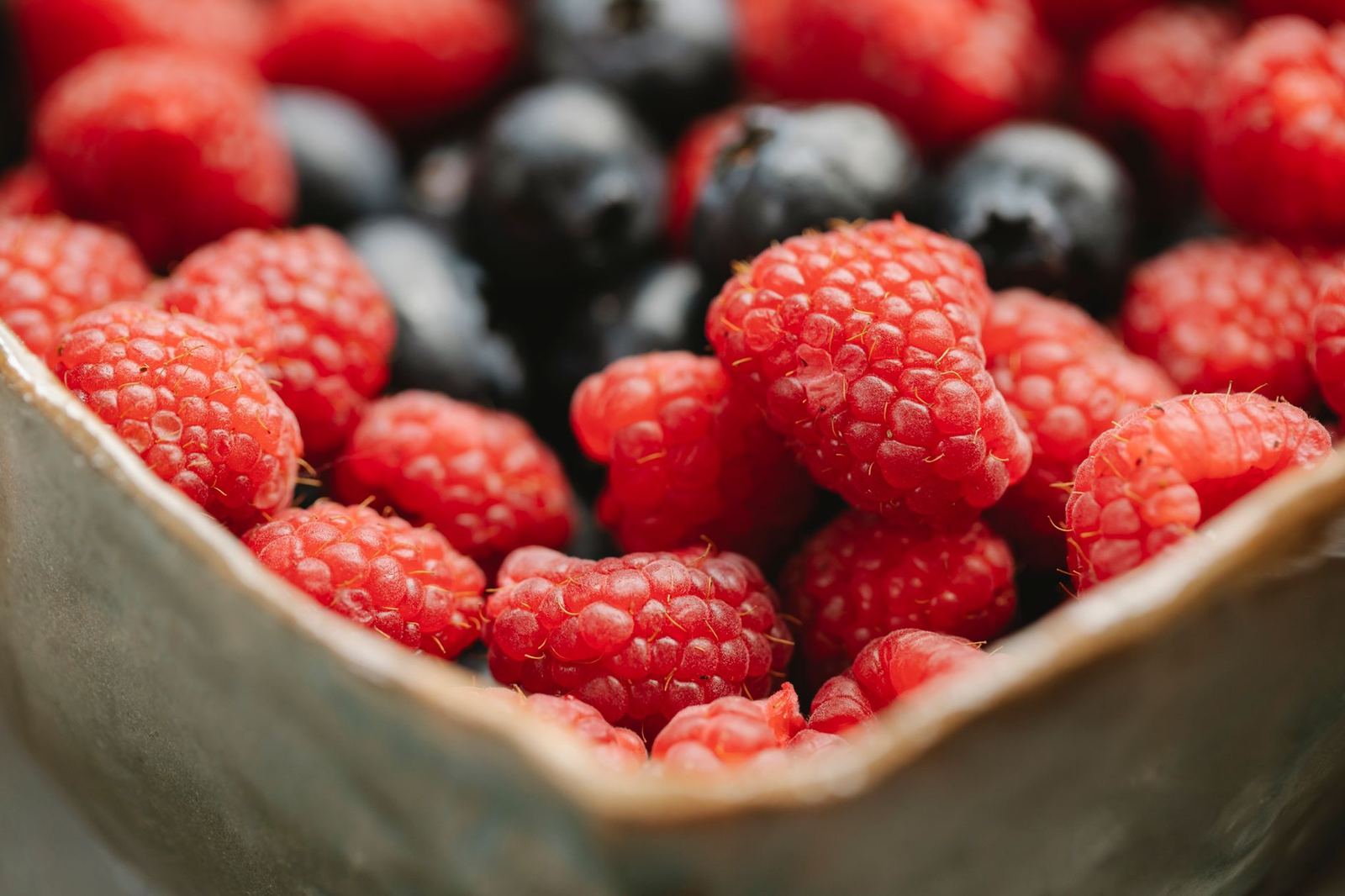
Mostly yes, and this matters for seasonal eaters. In a UC Davis study supported by the Frozen Food Foundation, researchers compared fresh and frozen samples of eight crops, including berries, leafy greens and other vegetables.
The summary of the study says “the nutritional value of frozen fruits and vegetables” is “generally equal to”, and “in some cases better than”, “their fresh counterparts”. It also reports that water-soluble vitamins such as vitamin C were generally the same or greater in frozen produce.
Two cautions apply. The research was supported by the frozen food industry, and the results were “generally” equal rather than identical for every item. Still, it supports a reasonable conclusion: freezing produce at its peak is a sound way to keep it good.
Kitchen habits, budget and common mistakes
Simple kitchen frameworks that fit any season
You do not need a recipe for every vegetable. A few flexible templates let you swap whatever is ripe into dishes you already know how to cook, which is the real secret to eating seasonally without stress.
- The sheet-pan roast: chop sturdy vegetables, toss with oil and salt, and roast until browned. Serve over grains or alongside eggs, beans or fish.
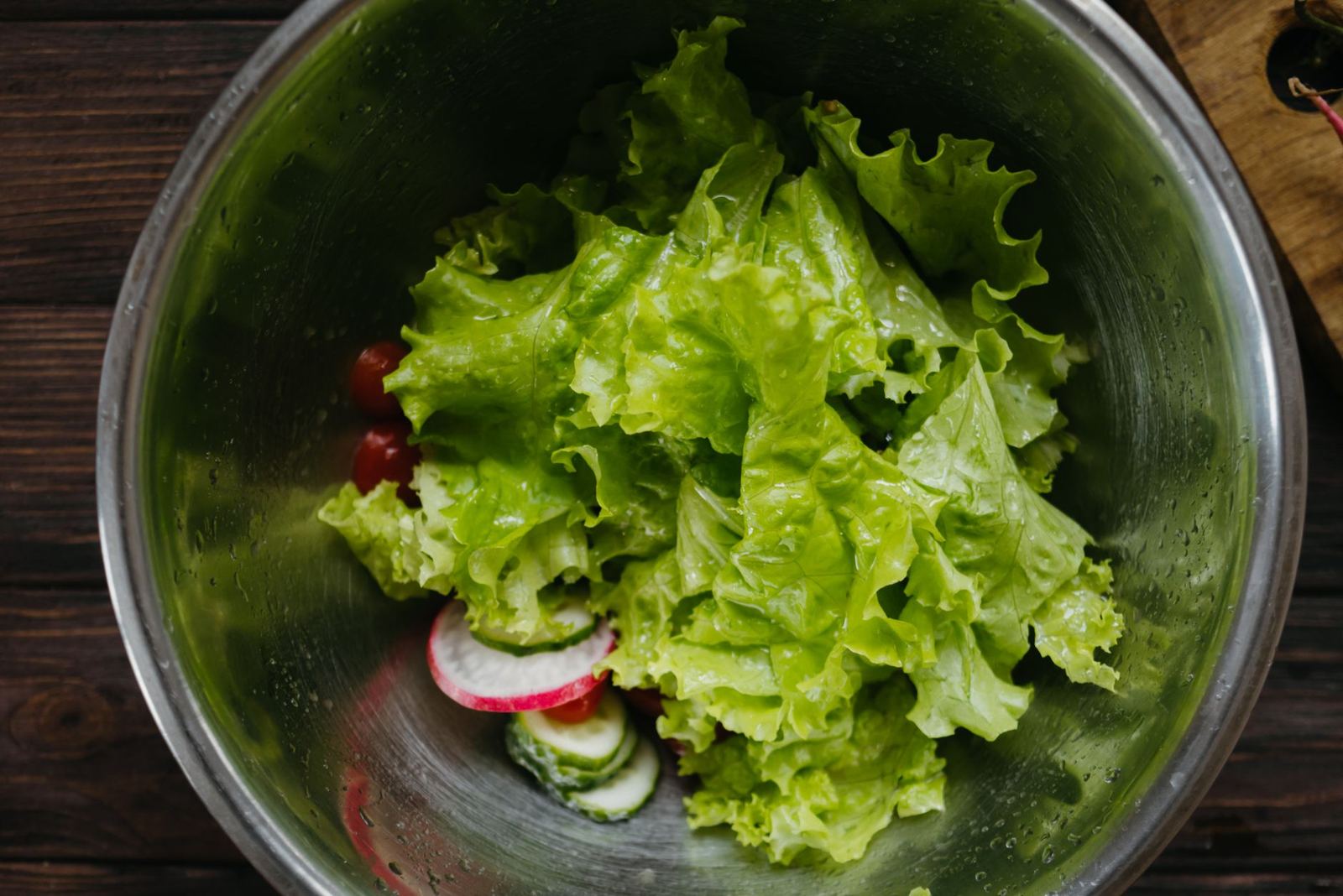
- The big salad: start with greens or shredded raw vegetables, add something crunchy, something creamy and a sharp dressing. Fruit works well in the mix when it is ripe.
- The soup pot: soften onions, add chopped vegetables and stock, simmer until tender, then blend or leave chunky. Soup can use sound vegetables that have lost some crispness; discard spoiled produce.
- The stir-fry or sauté: cook quickly over high heat with garlic, ginger or herbs. Almost any vegetable can be used this way.
- The fruit bowl upgrade: pair ripe fruit with yogurt, nuts or oats for breakfast or dessert, and cook slightly tired fruit into a compote.
Once you know these patterns, a trip to the market becomes a question of what to swap in, not what to cook from scratch. The same sheet-pan method works for a spring vegetable early in the year and a fall root later on.
Storing what you bring home
Good storage is what turns a market haul into a week of meals. Leafy and tender produce is the most fragile, so eat it first and keep it dry and cool. Sturdy crops can wait.
Many fruits continue to ripen after they are picked, so leave them on the counter until they are ready and then move them to the refrigerator to slow things down. Wash produce shortly before you use it rather than when you arrive home, because extra moisture can speed spoilage.
If produce is losing quality but remains sound, use or freeze it promptly; discard spoiled produce. This habit alone saves money and makes seasonal shopping feel generous rather than risky.
Planning a flexible week
You do not need a strict meal plan. A loose weekly rhythm is easier to keep and leaves room for what you find at the market.
- Early in the week, eat the delicate items: tender greens, ripe berries and soft fruit.
- Midweek, cook with the medium-keeping vegetables in stir-fries, tacos, pasta and grain bowls.
- Late in the week, turn to the sturdy crops and to anything in the freezer or pantry.
- At the weekend, make a batch of soup, sauce or roasted vegetables, and freeze the extra portions.
That order follows how produce ages, so less of it goes to waste. It also leaves your next market visit as a fresh start, with space in the fridge for new finds.
Making seasonal eating work on a budget and a schedule
Seasonal eating does not have to cost more or take more time. In many cases the opposite is true, as long as you plan a little.
- Build meals around one or two stars. Choose a main seasonal vegetable and a seasonal fruit each week and plan around them.
- Cook once, eat twice. Roast a large tray or simmer a big pot and reuse it in different dishes.
- Use the whole item. Use stems, tops and peels only when those parts of the particular crop are known to be edible and appropriately prepared.
- Mix in frozen and canned. They are acceptable choices when no or very limited sugar is added, and they stop you running out in the off-season.
- Accept imperfect produce. Slightly odd shapes and small marks do not change the flavour.
Keep an eye on waste, too. Seasonal bargains only help if the food gets eaten, so buy what you can realistically use or preserve in the next few days.
If your region has a long cold season, expect to rely more on storage crops and preserved food. That is a normal part of the pattern, not a failure of the approach.
Getting children and busy households involved
Seasonal eating is easier to keep when everyone at home takes part. Children in particular tend to try more when they have picked the food themselves, so let them choose one new fruit or vegetable on each market trip.
Make the seasons visible. A simple note on the fridge listing what is at its best this month gives the household a shared prompt and takes the pressure off the person who usually decides what is for dinner.
For busy weeks, lean on preparation. Washing and chopping vegetables once, then keeping them in containers, means a healthy side dish takes minutes. Frozen vegetables you prepared yourself at the peak of the season make the same job even faster.
Finally, keep it enjoyable. The goal is to enjoy food that tastes good, not to follow a rulebook. If a week goes by and your meals were not very seasonal, simply start again at the next market visit.
Common mistakes to avoid
Treating seasonal eating as all or nothing can make the habit harder to maintain. A few simple adjustments prevent that.
- Being too strict. Cutting out everything out of season is unnecessary and can make eating harder, not better.
- Trusting a generic chart. Timing varies by region and by year, so local supply always wins.
- Overbuying. A glut feels like a bargain until half of it spoils.
- Skipping storage. Store delicate produce appropriately and wash it shortly before use.
- Ignoring preserved food. Frozen and canned produce are part of the plan, not a compromise.
The aim is a steady habit of eating more fruits and vegetables, with the seasons as a guide to flavour and value.
Frequently asked questions
Is seasonal produce always healthier?
Show answer
Not always. In-season produce is often fresher and may hold more of some nutrients, but the evidence is mixed. The bigger health gain comes from eating plenty of fruits and vegetables in any form.
Is seasonal produce cheaper?
Show answer
Often, because abundant crops are easier to find and cost less to bring to market. Prices still vary by region and by year, so compare before you buy.
Can I eat seasonally in winter?
Show answer
Yes. Rely on storage crops, hardy greens, citrus and your own frozen or canned harvest. Frozen vegetables and fruits with no or very limited added sugars are acceptable under the 2025-2030 dietary guidelines as summarized by American Family Physician.
Does frozen produce count toward my daily servings?
Show answer
Yes. The guidelines summary lists frozen, dried or canned produce with no or very limited added sugars as acceptable, and the UC Davis comparison found frozen produce generally equal to fresh.
How do I know what is in season near me?
Show answer
Look for what is plentiful and well priced at your local market, and ask the growers. A regional calendar can help, but local supply is the final word.