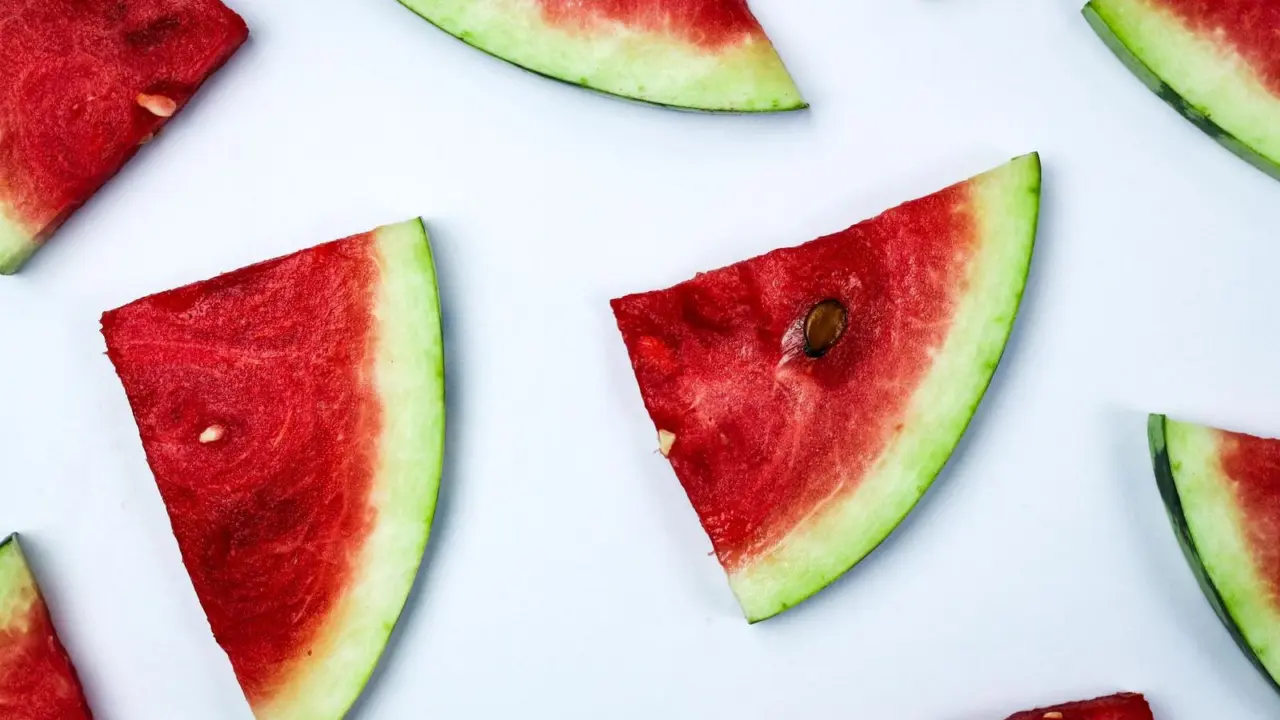
Standing at the market stall, knocking on melons and hoping? Here is how to tell if a watermelon is ripe: look for a large, creamy-yellow field spot, pick one that feels heavy, and prefer a dull rind.
This guide is part of our fresh produce guide.
| Check | What to look for |
|---|---|
| Field spot colour | Creamy, almost buttery yellow; the larger the better |
| Warning sign on the spot | Small or more white than yellow |
| Sound when tapped | A deeper sound suggests ripe rather than overripe |
| Rind and weight | Dull in colour and heavy |
| Sweetness benchmark | 11 Brix reported in Texas fruit |
These figures come from Texas A&M AgriLife Today. Guidance and crop conditions change, so check the source before you rely on them.
How to tell if a watermelon is ripe: start with the field spot
The field spot is the patch where the melon rested on the ground while it was still attached to the vine. Texas A&M AgriLife describes it as possibly the best sign of ripeness, short of cutting the melon open.
Turn the melon over and look for a large yellow patch on one side. A ripe melon should show a creamy, almost buttery yellow, and the larger the patch, the better.
A small field spot or one that remains whitish can indicate an immature melon. Put it back and check the next one.
What the spot is telling you
Gardening Know How associates a larger, lighter-yellow field spot with more time ripening before harvest. A melon that was cut early had less time to build flavour, and the spot shows it.
Gardener’s Path puts it more bluntly. A white spot means the melon is not ready to be enjoyed, while a butter-yellow spot signals ripeness.
The spot is a patch of rind that stayed out of the sun, so it is the one place on the melon that is not meant to be green. Think of it as the melon’s own label of how long it sat in the field.
A routine you can use at the stall
Handling many melons is easier with a routine. This order keeps you from relying on a single clue.
- Turn the melon and find the field spot; check its colour and size.
- Lift it and compare its weight with similar-sized melons.
- Look at the rind: you want a dull finish rather than a glossy one.
- Look for brown webbing or small dirt-like spots on the skin.
- Tap it gently and listen for a deeper sound.
- Choose the melon that passes the most checks, not just one.
If you are shopping at a farmers market, ask the grower which melons came off the vine most recently. A vendor who knows the field can often point you to the best ones.
Rind, weight and webbing
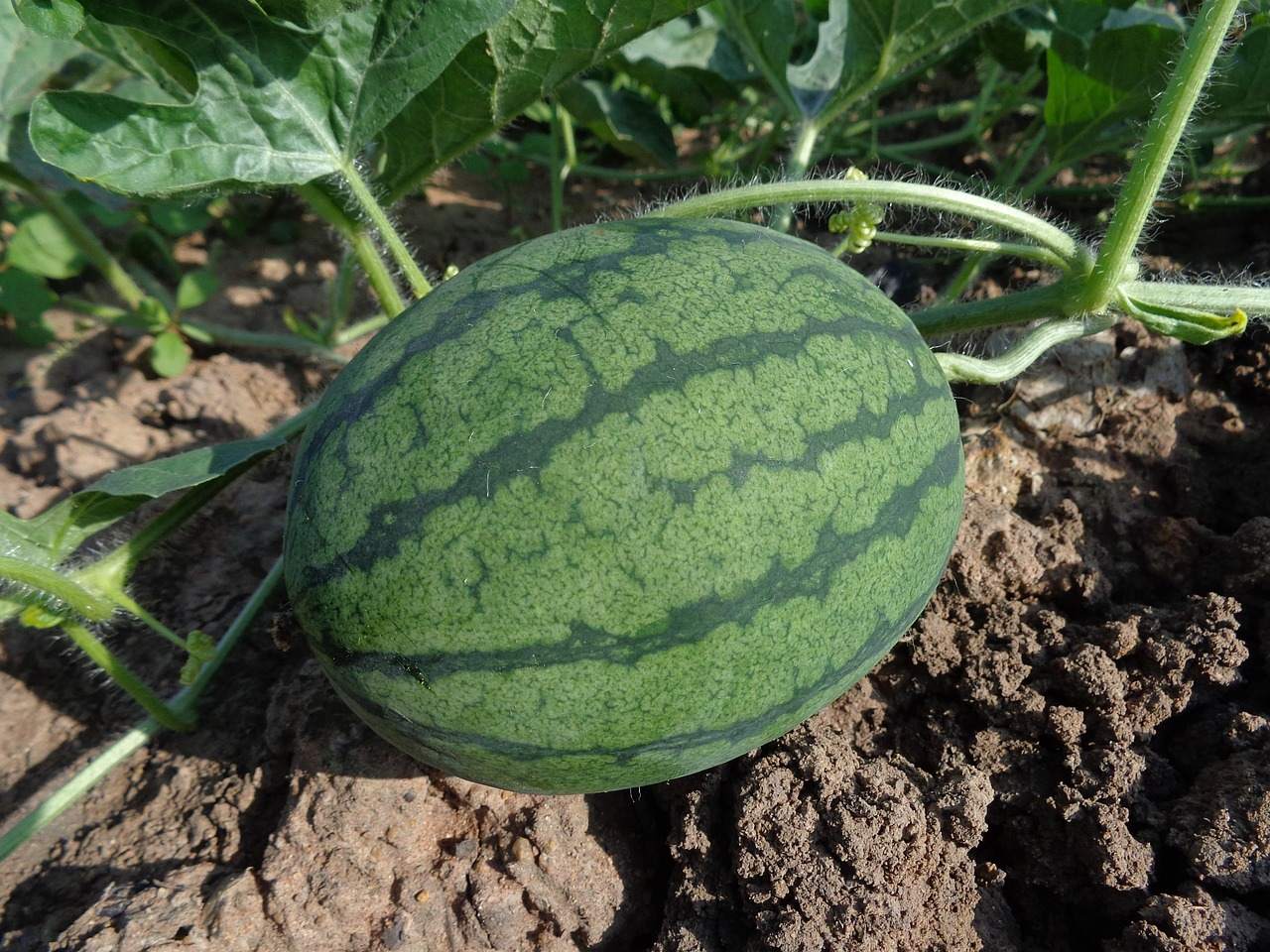
A glossy, bright rind looks appealing, but the advice is to choose a dull rind. Gardening Know How goes further and says shiny, bright green watermelons are actually underripe.
AgriLife also recommends checking rind dullness and weight. Gardening Know How phrases the weight test well: you want the melon that feels heavier than it looks.
The same source suggests looking for extensive webbing or small spots that look like dirt.
The small marks have a specific name: sugar spots, also called sugar bumps. Their connection to sweetness is more literal than the name might suggest: they are described as points associated with pollination where sugar escapes from inside the fruit. That gives you something more specific to understand when examining those marks on the skin. The term refers to sugar seeping outward at those points; it describes a feature on the outside of the melon, rather than a measurement taken from the flesh you will eat.
- Choose dull over shiny.
- Choose heavy over light for the same size.
- Choose a big yellow field spot over a pale one.
- Do not reject a melon only because it looks plain or has brown webbing.
Tap, listen and handle with care
AgriLife suggests tapping the underbelly and listening for a deep sound. A ripe melon will have a deeper sound than an overripe one, which is the comparison that matters.
Sound is the hardest clue to learn. Descriptions vary between sources, and Gardening Know How titles its own guide “No Thumping Needed”, so treat the tap as a tie-breaker. Tap several melons side by side and notice which ones sound fuller and lower than the rest.
Be gentle when you turn a melon over. Gardener’s Path notes that the light-coloured underbelly is prone to sunscald, so a melon that is not ready should be flipped back carefully onto that side, which matters most if you are in a grower’s field or picking at a farm stand.
How sweetness is measured
Growers measure watermelon sweetness on the Brix scale, which indicates sugar content. In the AgriLife report, Texas producers were reporting exceptional quality, with consistent finds of fruit at 11 Brix, according to a Texas A&M AgriLife Extension vegetable specialist quoted in the same article.
Field spot, weight and rind can help you judge ripeness, but they do not measure Brix. If a vendor offers a cut sample, taste it.
Commercial growers also check ripeness the direct way. According to Gardener’s Path, growers assess a crop near harvest by testing fruit selected at random.
There is also a useful detail about how that harvest sampling is spread out: the fruit comes from different places throughout the field. The check therefore reaches across the growing area instead of being confined to melons gathered from a single location. Sweetness is assessed alongside ripeness in this process, so the growers are checking more than whether the crop has reached the right stage for picking. If you discuss harvest checks with a grower, ask about both qualities and whether the sampled fruit came from across the field, including which parts of the growing area were represented in the selection.
After you buy
Once home, rinse the rind before cutting so surface dirt does not travel on the knife. Our guide on how to wash fresh vegetables covers the basics.
Serving a melon platter with mint or basil? Our note on how to store fresh herbs helps them stay crisp until you need them.
Frequently asked questions
What is the most reliable sign of a ripe watermelon?
Show answer
According to Texas A&M AgriLife, the field spot may be the best sign of ripeness other than cutting the melon open. Look for a large, creamy yellow patch.
Does a white field spot mean the melon is bad?
Show answer
A small or whitish spot suggests the melon may not be ripe. It is a reason to keep looking rather than a guarantee.
Should a ripe watermelon be shiny?
Show answer
No. The advice from AgriLife and Gardening Know How is to look for a dull rind and a heavy melon; shiny, bright green melons are underripe.
Can I rely on thumping alone?
Show answer
It is better not to. A deeper sound points to ripe rather than overripe, but sound is subjective, so combine it with the field spot and weight.
What are the brown spots on the rind?
Show answer
Rind marks alone do not establish ripeness or sweetness.