Standing in the produce aisle unsure what to pick? This fresh produce guide gives the short answer: choose firm, undamaged items, store each type its own way, keep ripening fruit out of the cold, and wash before eating.
| Item | Value |
|---|---|
| Adult women, daily fruit (federal guidance) | At least 1½ cups |
| Adult women, daily vegetables | At least 2½ cups |
| Adult men, daily fruit | At least 2 cups |
| Adult men, daily vegetables | At least 3½ cups |
| Watermelon kept cold: flavor and color decline after | 3 days |
Figures come from an archived CDC page and a University of California extension handout. Guidance can change, so check the source before you rely on the numbers.
Fresh produce guide: what good produce looks like
Good shopping starts with your eyes and hands. Whether you are at a supermarket or a stall, the basic rule is to avoid damaged fruit and vegetables. Virginia Tech’s extension service puts it plainly: “Avoid buying fruits and vegetables that are bruised or damaged.” You can read more in its guide to handling raw produce.
Bruises and cuts matter for two reasons. Damaged flesh spoils faster, and broken skin gives bacteria and mould an easy way in.
Use a quick sensory check on every item:
- Weight: fruit that feels heavy for its size is usually juicy. Light, hollow-feeling fruit is often dry or past its best.
- Skin: look for taut, even skin without wrinkles, sunken patches or weeping spots.
- Smell: ripe melons, peaches, pineapples and mangoes smell sweet near the stem end. No smell often means not ripe; a sour or fermented smell means too far gone.
- Firmness: press gently with your palm rather than your fingertips, which leave bruises for the next shopper.
- Leaves and stems: greens should be crisp and bright. Yellowing, slime or limp stems show age.
Buy for the week ahead, not for the month. Fresh produce is a short-lived product, and the best flavor comes from fruit you eat while it is at its peak. Plan purchases around what you expect to eat to help reduce waste.
Pre-cut and bagged items
Pre-cut produce is convenient but needs more care. The same Virginia Tech guide advises that if you buy precut produce, “select items that have been refrigerated or placed on ice at the grocery store or farmers market.” A half watermelon sitting on a warm shelf is a poor buy.
Take cut items home promptly and put them straight into the fridge. If a stall or shop cannot keep cut produce cold, choose a whole item instead and cut it yourself.
Fridge or counter? Storing produce the right way
Putting everything in the fridge can damage some types of produce. The University of California extension handout explains that “many fruits and vegetables should be stored only at room temperature because refrigerator temperatures (usually 38° to 42°F) damage them or prevent them from ripening to good flavor and texture.”
Cold is not always your friend. It slows decay, which is why leafy greens, berries and most herbs belong in the fridge; keep basil at room temperature with its stems in water. But some produce suffers chilling injury, which shows up as dull flavor, mealy texture or dark skin.
Examples that do better on the counter
- Bananas: the extension handout notes that in the refrigerator, “bananas develop black skin and do not gain good sweetness.”
- Sweet potatoes: they “take on off-flavors and a hard core when cooked after being refrigerated.”
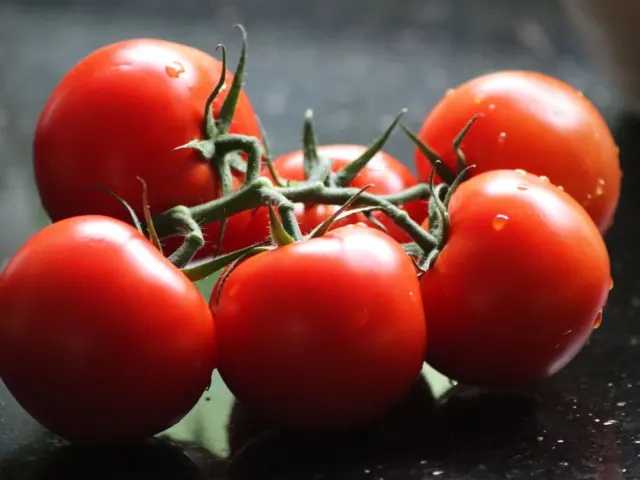
- Tomatoes: “In the refrigerator, they do not turn red, and even red tomatoes kept in the refrigerator lose their flavor.”
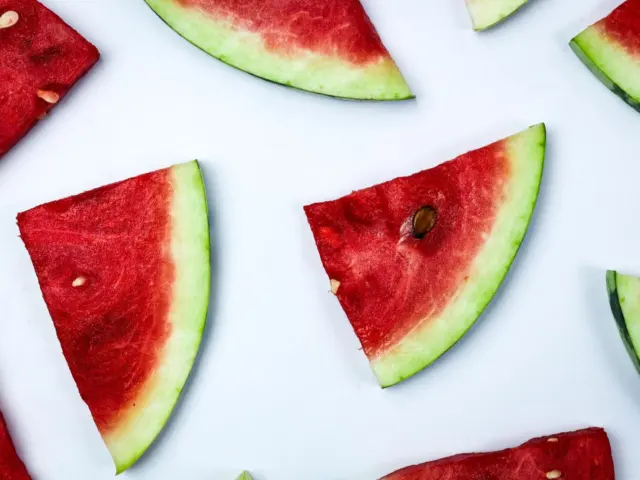
- Watermelon (whole): the handout warns that refrigeration beyond 3 days reduces watermelon’s flavor and color.
A whole watermelon is best kept at room temperature until you cut it. Once cut, wrap the pieces and refrigerate them.
Ripen on the counter, then chill
The same source says “other produce can be ripened on the counter, and then stored in the refrigerator.” That is the standard approach for avocados, pears, peaches, plums and similar fruit. Let them soften at room temperature, then move them to the fridge to hold them for a few days.
For ripe bananas the handout says they can be kept in the refrigerator for 1 to 3 days without losing taste, though the peel will darken.
Keep your fridge cold enough
Virginia Tech’s extension guide says perishable produce belongs in a clean refrigerator at 41 F or below. It also suggests keeping a thermometer inside so you know the real temperature rather than guessing.
Time out of the fridge matters too. The same guide says cut produce should be refrigerated within four hours. That is worth remembering at picnics and market trips on hot days.
The Virginia Tech guide also recommends perforated bags for refrigerated produce. Airtight bags can trap moisture and speed rot for many items.
Ripeness by fruit: what to check
Every fruit gives different signals, so one rule will not cover them all. Our spoke guides go deeper; here is the quick version.
Avocados are judged by a slight give under gentle pressure, plus the color and stem cap. Our guide on how to pick ripe avocados walks through it step by step.
Mangoes are tricky because color is a poor guide in many varieties. Feel and fragrance matter more, as explained in how to select ripe mangoes.
For watermelon, weight, the pale field spot and the sound all help. You can learn how to tell if a watermelon is ripe in our dedicated guide.
A good tomato smells like a tomato at the stem. Read how to store tomatoes for the counter-versus-fridge detail.
Why one bad apple really can matter
Some fruits give off ethylene, a natural gas that speeds ripening. The extension handout notes that “apples produce ethylene that speeds ripening.” Keeping an apple next to an unripe avocado can help it soften, while keeping it near greens or ripe fruit you want to preserve can shorten their life.
Use this on purpose. Put a hard avocado or pear in a paper bag with an apple to speed it up. Store your ripe fruit away from the fruit bowl if you want it to hold.
Leafy greens, herbs and washing
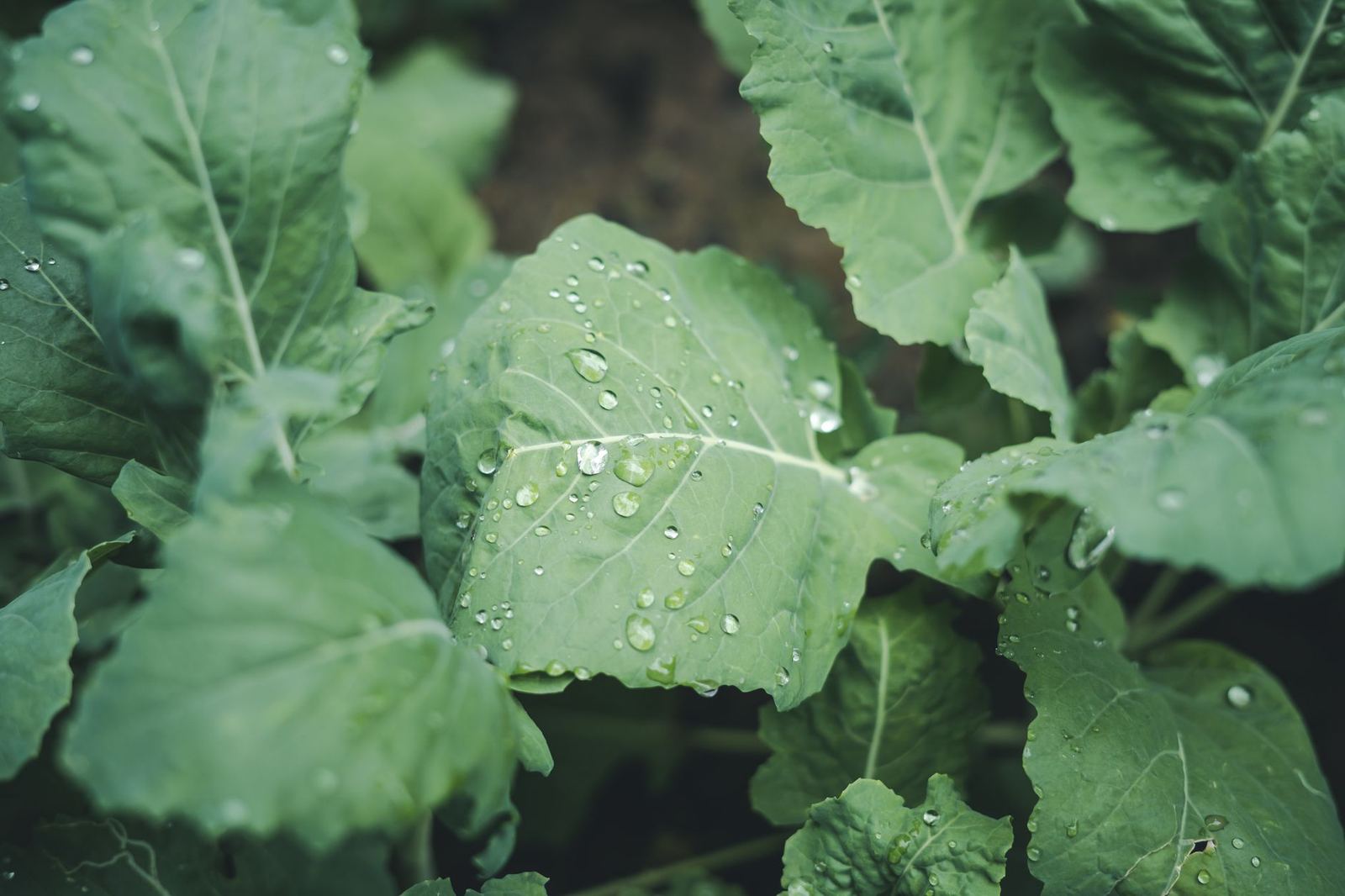
Delicate produce spoils first, so it deserves a routine. Greens and herbs lose water quickly, and they go limp or slimy when they sit wet. The goal is to keep them cold, slightly humid and dry on the surface.
A simple routine for greens:
- Remove any bruised or slimy leaves as soon as you get home.
- Dry the leaves well with a clean towel or a salad spinner.
- Store them loosely with a dry paper towel in a container or perforated bag.
- Check every couple of days and swap in a fresh towel if it is damp.
Our detailed guides cover each case: how to keep lettuce fresh longer and how to store fresh herbs. Soft herbs such as basil behave differently from woody ones such as rosemary, so it pays to read both.
Washing: when and how
Wash produce just before you use it, not when you unpack the shopping. Wet produce stored in the fridge rots faster. Rinse under running water, rub firm items gently, and dry with a clean cloth.
Keep produce away from raw meat, poultry and seafood on counters and in the cart, and use a clean cutting board. Our guide on how to wash fresh vegetables explains what works and what does not, including why soap is a bad idea.
Eating enough, and choosing where to buy
Buying good produce only helps if you eat it. An archived CDC page says the federal recommendations “vary by age and sex”: adult women need at least 1½ cups of fruit and 2½ cups of vegetables each day, and adult men need at least 2 cups of fruit and 3½ cups of vegetables each day. The page is an archived copy, so check the current Dietary Guidelines for Americans for the latest amounts.
Making that routine is easier when produce is ready to eat. Keep fruit visible, wash produce just before eating, and plan one or two vegetable-heavy meals a week.
Season, source and growing method
Produce that is in season locally tends to be fresher, because it travels less. Our seasonal eating guide shows how to follow the calendar where you live. If you prefer buying direct from growers, the farmers market guide covers how to shop a market well.
Many shoppers also wonder whether to pay extra for organic. We lay out the trade-offs in organic vs conventional produce, so you can decide on your own priorities and budget.
Buying by produce type
Different families of produce fail in different ways. Knowing the usual weak point helps you spot a bad one quickly and store a good one properly.
Berries and soft fruit
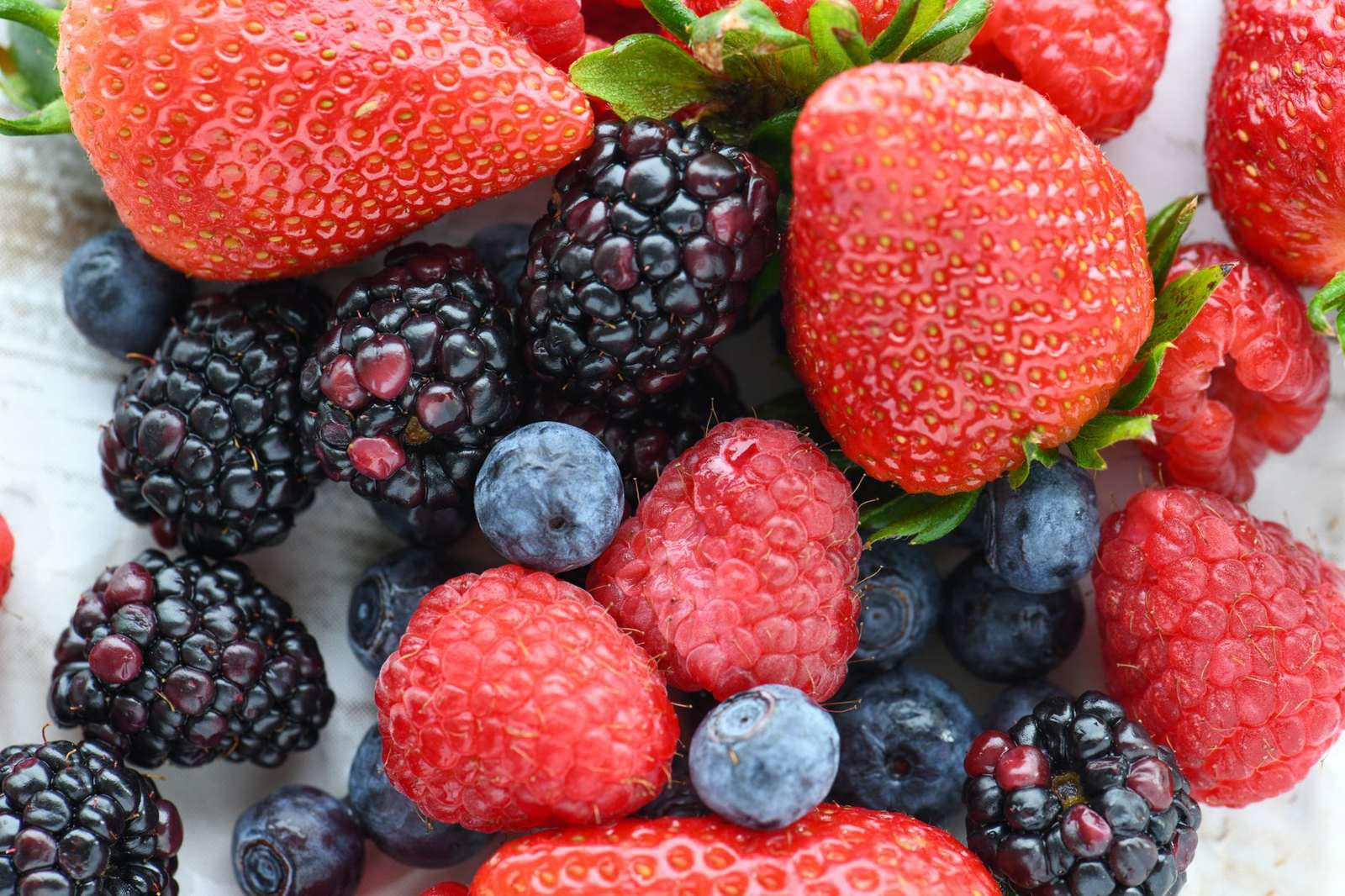
Berries are fragile and often the first thing to go mouldy. Look at the bottom of the container as well as the top, because a crushed or stained base means juice has leaked from damaged fruit. Choose berries that are plump, evenly colored and dry.
Stone fruit such as peaches and plums should smell fragrant and give slightly at the seam. Rock-hard fruit may never ripen well if it was picked too early. Let it soften on the counter, as described above, and eat it soon after.
Citrus, apples and pears
Citrus should feel heavy and have a firm, glossy skin. Light, spongy fruit has usually lost much of its juice. Apples should be firm with no soft patches, and pears are best bought slightly underripe so they can finish ripening at home.
Sturdy fruit like apples keeps well, but it is also a source of ethylene. Give it its own bowl if you want the rest of your fruit to last.
Root vegetables, onions and squash
These are the long-lasting staples. Look for firm roots with no sprouting, soft spots or shriveling. Onions and squash should feel solid and dry, and heavy for their size.
Keep whole onions and winter squash in suitable dry storage; refrigerate carrots, beets and parsnips in perforated bags to retain moisture. Keep potatoes away from onions if you can, since each tends to shorten the other’s life in a cramped cupboard.
Leafy and tender vegetables
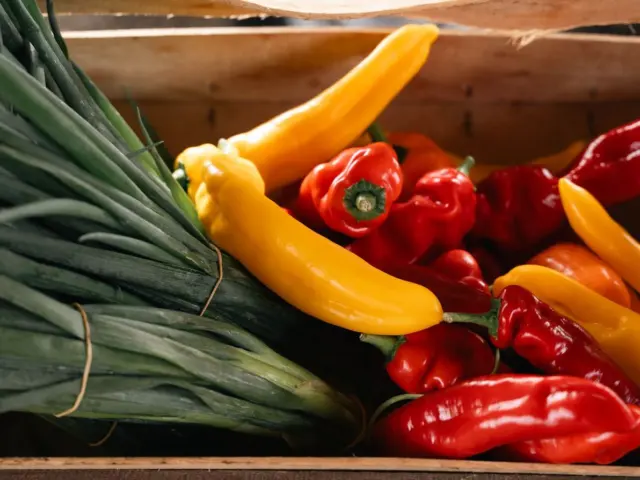
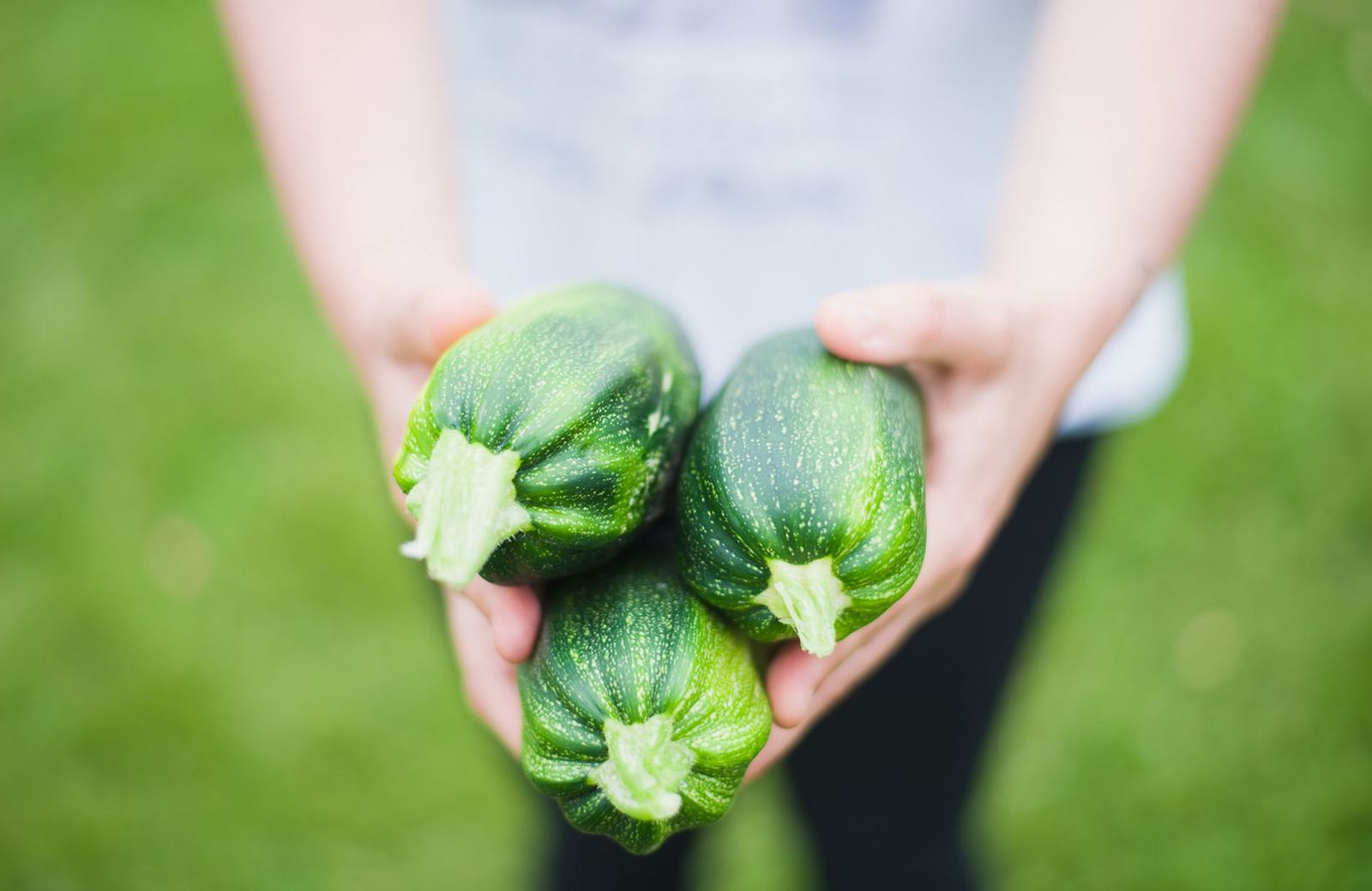
Cucumbers, peppers, courgettes and green beans should be firm and glossy. Leafy greens, broccoli and herbs should look vivid, not faded. If the cut end of a stem looks dry, brown or slimy, the item has been sitting a while.
Mushrooms prefer to breathe, so a paper bag works better than plastic. Keep them dry and avoid washing them until you are about to cook.
Getting produce home safely
Freshness begins to slip the moment produce leaves the shelf. The trip home is part of storage, especially in warm weather. A few small habits protect both quality and safety.
- Shop for produce last: pick up fruit and vegetables near the end of the trip so they spend less time warm.
- Bag separately: keep produce apart from raw meat, poultry and seafood in the cart and in your bags.
- Use a cool bag: on hot days, an insulated bag helps cut items and leafy greens stay cold.
- Unpack quickly: sort into fridge, counter and ripening groups as soon as you get in.
At home, wash your hands and your work surface before preparing produce. A clean cutting board used only for fruit and vegetables is a simple safeguard.
Discard anything that smells off, looks slimy or shows spreading mould. With soft produce, mould roots can reach deeper than you can see, so cutting around it is not reliable. Firm items such as a hard carrot with one small blemish are a different matter, and you can trim a generous margin around the spot.
Cutting waste at home
Good buying and storage still need a bit of kitchen habit to pay off. Keep produce visible so you remember to use it.
- Make a “use first” spot: put ripe or cut items at eye level so you see them.
- Plan one flexible meal: a stir-fry, soup or frittata soaks up whatever is nearing the end.
- Freeze before it turns: ripe bananas, berries and chopped herbs freeze well for later.
- Use the whole item: broccoli stems, carrot tops and celery leaves are all edible.
- Clean the fridge weekly: a quick wipe stops spoilage spreading from one forgotten leak.
None of this takes long, and it saves money. Over a season, it also means you can afford to buy better produce.
A simple weekly routine
Good habits beat perfect knowledge. A routine that fits into an ordinary week keeps food fresh and waste low.
- Shop: inspect each item and avoid bruised or damaged produce.
- Sort at home: split items into counter, fridge and ripen-first groups.
- Eat the delicate things first: berries, greens and herbs go early in the week.
- Save sturdier items for later: whole squash, root vegetables and apples last longest.
- Check daily: remove anything spoiling so it does not affect its neighbors.
Fruit that is soft but not spoiled still has uses. Blend it into smoothies, cook it into a sauce or freeze it in pieces. Vegetables that are past their best make good stock or soup.
Frequently asked questions
Should I keep all fruit in the fridge?
Show answer
No. The University of California handout explains that chilling can impair ripening or quality in some produce. Bananas, whole tomatoes and sweet potatoes are examples.
How cold should my refrigerator be for produce?
Show answer
Aim for 41 F or below, and keep a thermometer in the fridge to check it rather than relying on the dial.
How long can cut produce sit out?
Show answer
Virginia Tech’s guide says to refrigerate cut produce within four hours. When in doubt, chill it sooner.
Does an apple really ripen other fruit?
Show answer
Yes. Apples give off ethylene, which the University of California handout says speeds ripening. Pair one with an unripe fruit in a paper bag to soften it faster.
How much fruit and vegetables should adults eat?
Show answer
An archived CDC page says adult women need at least 1½ cups of fruit and 2½ cups of vegetables daily, and adult men at least 2 cups of fruit and 3½ cups of vegetables. Amounts vary by age and sex, so check current guidelines.