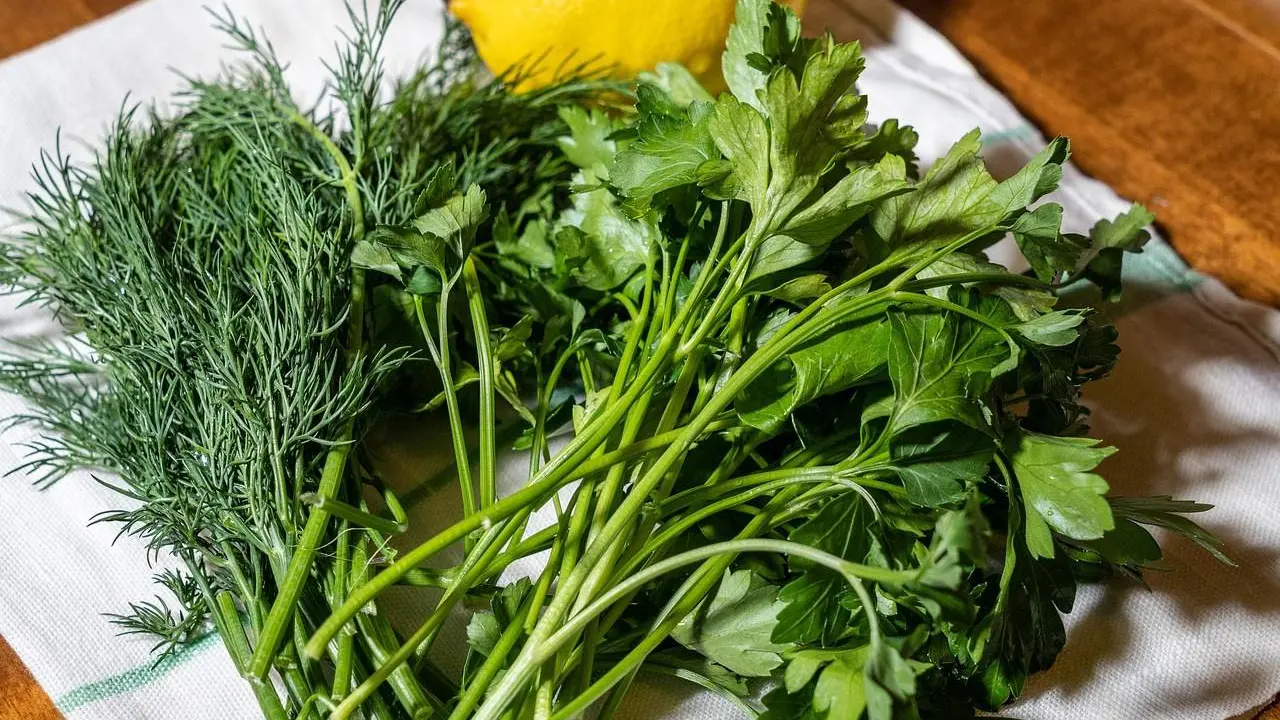
Tired of finding slimy parsley at the back of the fridge? Here is how to store fresh herbs: treat tender ones like cut flowers in water, keep basil on the counter, and freeze the rest.
This guide is part of our fresh produce guide, which covers buying and keeping produce well.
| Item | Value |
|---|---|
| Parsley in the refrigerator (stems in water, loosely bagged) | Up to 21 days |
| Cilantro in the refrigerator | Up to 14 days |
| Dill in the refrigerator | 9 days |
| Basil on the counter top | Up to 31 days |
| Frozen herbs, best quality | Within 3-6 months |
The figures come from the University of Alaska Fairbanks Cooperative Extension herbs guide and Ohio State University Extension’s freezing fact sheet. Storage times vary with the freshness of the bunch and your fridge, so check the sources before you rely on them.
Why fresh herbs wilt so fast
Herbs are leaves and soft stems, so they lose water quickly and bruise easily. Ohio State University Extension notes that once harvested, fresh herbs have a short life of only a few days in the refrigerator if you simply toss them in a drawer.
Three things shorten that life: dryness, trapped moisture and cold damage. The goal of every method below is to balance them: keep stems hydrated, keep leaves from sitting wet, and keep cold-sensitive herbs out of the fridge.
Before storing anything, look over the bunch and use these quick checks:
- Pick out yellowed, slimy or bruised leaves, because they spread decay to their neighbours.
- Skip bunches with blackened stems or a sour smell.
- For the water-jar method, rinse sprigs first; otherwise, wash before use.
Sort your herbs into two groups
Most advice splits herbs into tender (soft-stemmed) and woody (hardy) types. The split decides where each one lives.
- Tender, soft stems: parsley, cilantro, dill, chives, tarragon and chervil. These do best in the refrigerator with their stems in water.
- Basil: the cold-sensitive one, which prefers the counter with its stems in water.
- Woody, hardy: rosemary, thyme, oregano and sage. These cope with a drier life, and they freeze well.
The grouping for woody herbs is common kitchen practice rather than a single study, so treat it as a sensible default and watch how your own herbs behave. Ohio State University Extension lists dill as a candidate for drying and recommends freezing rosemary and thyme.
When you shop, buy the bunch that looks the freshest rather than the cheapest. Perky, deeply coloured leaves and firm stems give you the longest runway, whichever method you choose afterwards.
It also helps to match the amount to your cooking. A small bunch of delicate herbs you finish within a few days needs far less effort than a large bunch you will not touch for a long while, which is a good candidate for the freezer.
The water-jar method for tender herbs
The University of Alaska Fairbanks guide says rinsed herbs wrapped in towels and bagged keep for only a day or two, while standing them in water extends their life greatly. Here is the routine it describes, step by step:
- Immerse whole sprigs in cool water and shake gently to dislodge soil or insects.
- Trim away damaged stem ends and any portions showing decay.
- Add water to a jar and stand the stems in it, keeping the foliage above the water.
- Drape a produce bag over the foliage without sealing it tightly.
- Store the jar in the refrigerator.
With this method the same guide lists these refrigerator times: chervil eight days, chives nine, cilantro up to 14, dill nine, parsley up to 21 and tarragon up to 17 days. Check the water every few days and swap it if it turns cloudy.
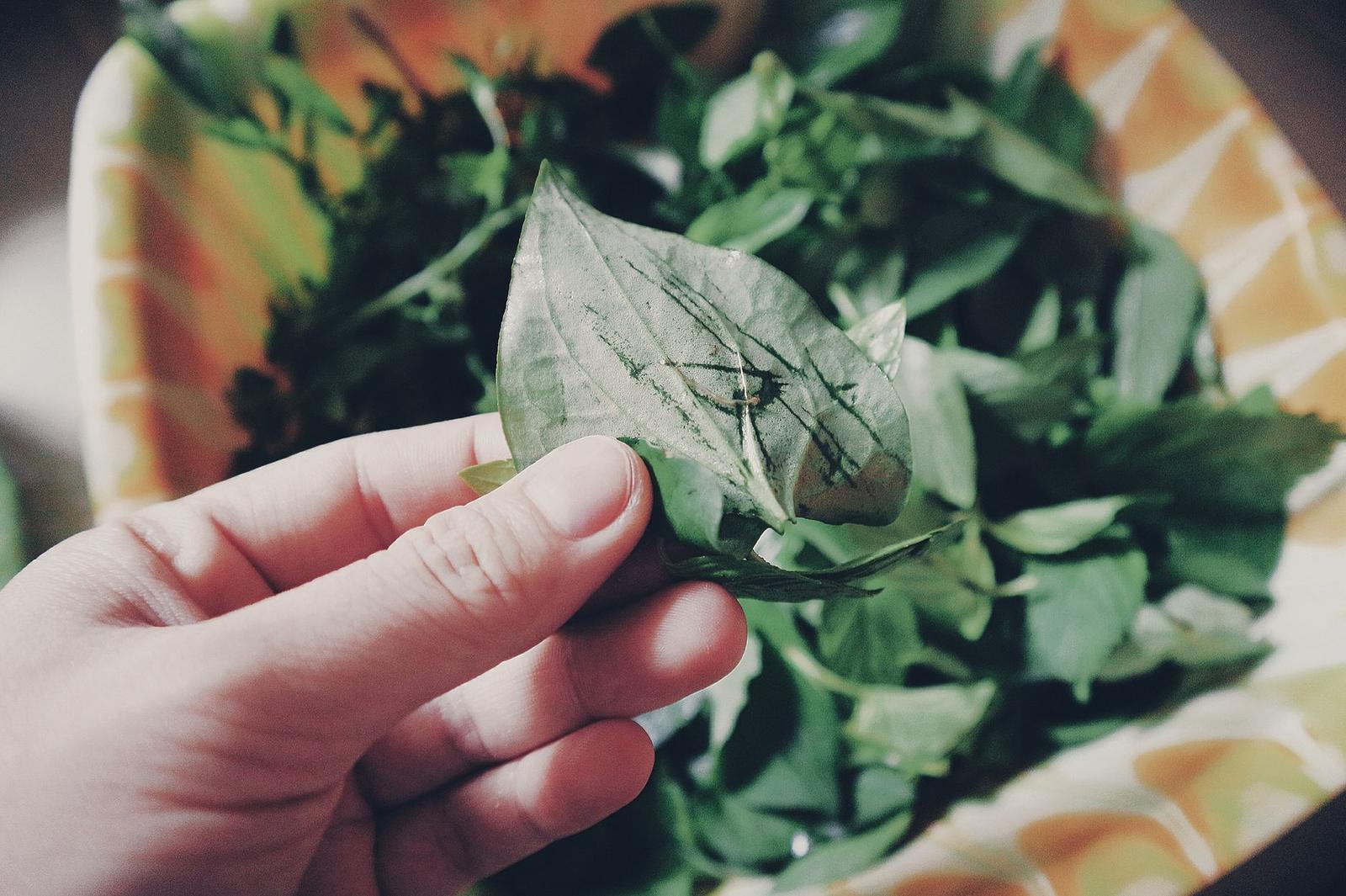
Why basil is the exception
Basil does not like the cold, and chilled leaves tend to darken. The University of Alaska Fairbanks guide says basil will last on the counter top for up to 31 days, so give it a jar of water, like a bouquet, away from direct sun and cold drafts.
Some kitchen sources suggest putting basil in the fridge in a jar like other herbs. Extension guidance points the other way, so keep it on the counter and see how it holds up.
If you buy basil alongside other produce, the same logic applies to other cold-sensitive items. Our notes on how to pick ripe avocados and how to tell if a watermelon is ripe show how ripeness and storage temperature go hand in hand.
Freezing herbs for the long term
Ohio State University Extension recommends freezing for nutrient and flavor retention. It advises freezing herbs at their peak freshness and keeping your freezer at 0 degrees Fahrenheit.
It gives two simple methods:
- Flat freeze: Arrange separated leaves on a tray. Transfer them to freezer bags once frozen.
- Ice cube method: Divide chopped herbs among tray compartments, add water, broth or oil to cover, then put the tray in the freezer.
The fact sheet gives a quality window of 3-6 months for frozen herbs, while noting that safe storage can extend beyond a year. Frozen herbs go limp, so use them in cooked dishes rather than as a fresh garnish.
Common mistakes that shorten herb life
Most spoiled herbs trace back to a few habits that are easy to change. Run through this list the next time a bunch goes limp early:
- Sealing wet leaves in a closed bag. Trapped moisture breeds slime, so cover loosely and keep the leaves dry.
- Leaving stems dry. Soft herbs drink through their stems, so a fresh cut and a jar of water make a real difference.
- Refrigerating basil. Cold-sensitive leaves darken, so keep it on the counter.
- Crowding the jar. Packed leaves hold humidity and rot sooner, so use a jar that holds stems snugly but leaves the foliage room.
- Ignoring the water. Cloudy water speeds decay, so replace it when it looks murky.
If a single sprig goes bad, remove it at once rather than waiting. Inspect the remaining herbs when checking the water and again before use.
Trimmings are not wasted either. Herbs that are past their best for a salad can still go into a soup, stock or stew, where long cooking hides a slightly tired texture.
Pesto and herb-in-oil safety
Blending herbs into pesto or oil changes the storage rules. The University of Alaska Fairbanks guide says not to store pesto in the refrigerator longer than four days, and to freeze it for longer storage.
Make small batches, label the container with the date and freeze what you will not use soon. For any herb-and-oil mixture, follow your local extension service’s advice rather than improvising.
Frequently asked questions
Should I wash herbs before storing them?
Show answer
For the water-jar method, rinse sprigs first; for other methods, wash just before use. The University of Alaska Fairbanks method rinses sprigs in cool water first, then stands them in water, so keep leaves above the water line and avoid leaving them wet in a sealed bag.
Can I keep basil in the fridge?
Show answer
Extension guidance in the University of Alaska Fairbanks guide keeps basil on the counter top, for up to 31 days. Cold tends to darken the leaves, so the counter is the safer choice.
How long do frozen herbs last?
Show answer
Ohio State University Extension recommends using them within 3-6 months for best quality, though they may stay safe far longer.
Which fresh herb lasts longest in the fridge?
Show answer
In the University of Alaska Fairbanks list, parsley leads with up to 21 days, followed by tarragon at up to 17 and cilantro at up to 14.