Not sure what to put in your basket? For mercado municipal what to buy basics: go for cheese, cured meats, dried goods, fruit and spices, then taste before you commit.
This page is part of our wider farmers market guide.
| Item | Value |
|---|---|
| Retail hours, Monday to Saturday (São Paulo Mercado Municipal Paulistano) | 6am to 6pm |
| Retail hours, Sundays and holidays | 6am to 4pm |
| Wholesale hours, Monday to Saturday | 10pm to 6am |
| Building finished | 1932 |
| Stained glass designer | Conrado Sorgenicht Filho |
These details come from the São Paulo city hall page for the market. Hours and stall lines can change, so check the source before you rely on them.
Mercado municipal: what to buy and why it works
Many municipal markets bring multiple food stalls together in a covered hall. That means you can compare several sellers of the same thing in a few minutes, which is the real advantage over a supermarket.
The São Paulo market’s city page says you can find everything from grains to chocolates, from fruit to cured meats, plus wines, beers, cachaças, sweets, cheeses, meats and spices. That list is a useful template for any similar hall: it shows the market is a place for pantry goods as much as for fresh produce.
If you are new to this kind of place, our guide on what is a wet market explains how it differs from a covered hall with dry goods and prepared food.
Foods worth seeking out
Skip anything you can buy identically at home. Spend your money where a market has an edge: variety, freshness, and sellers who know the product.
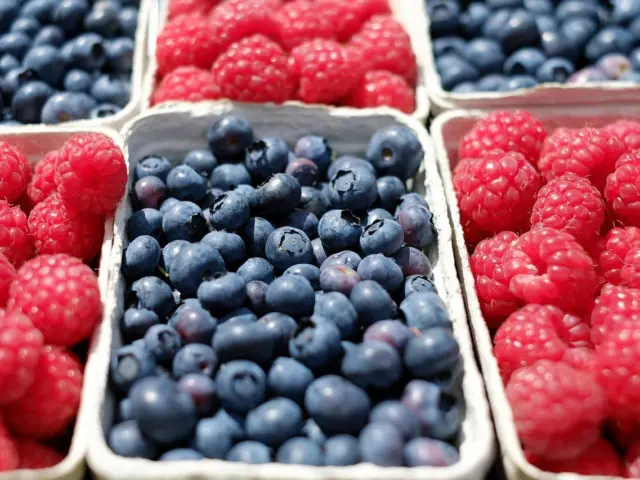
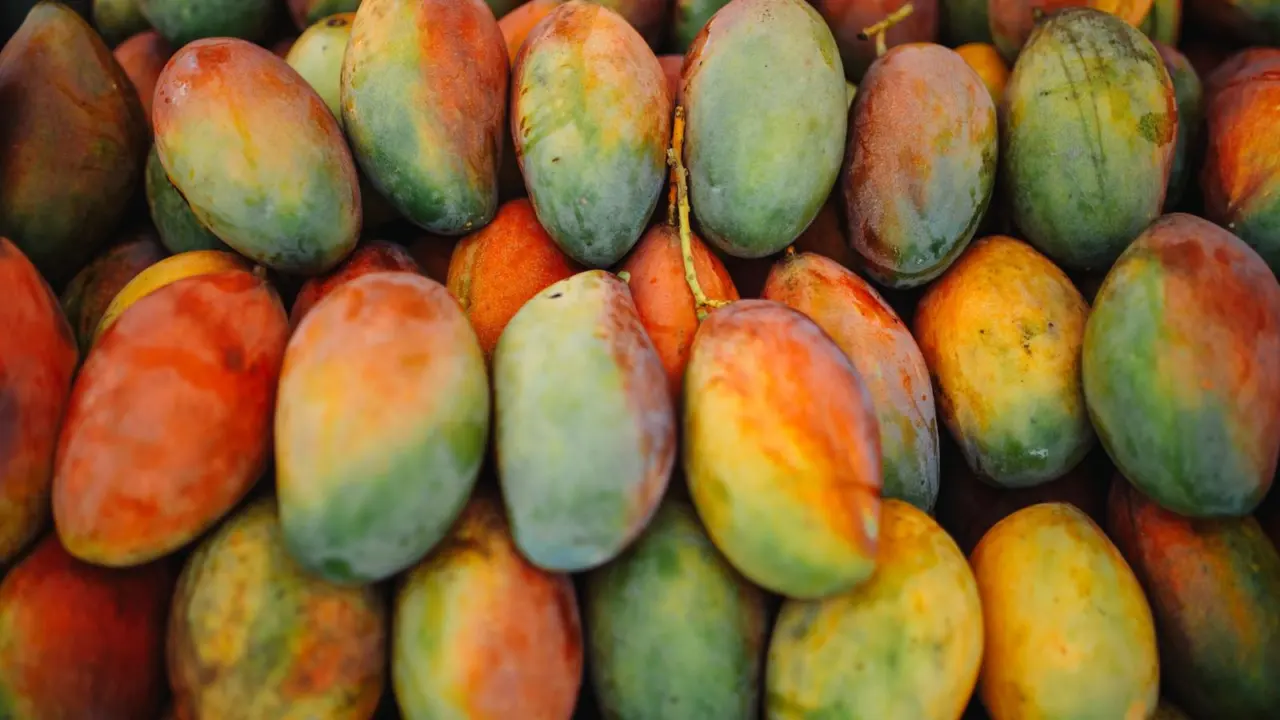
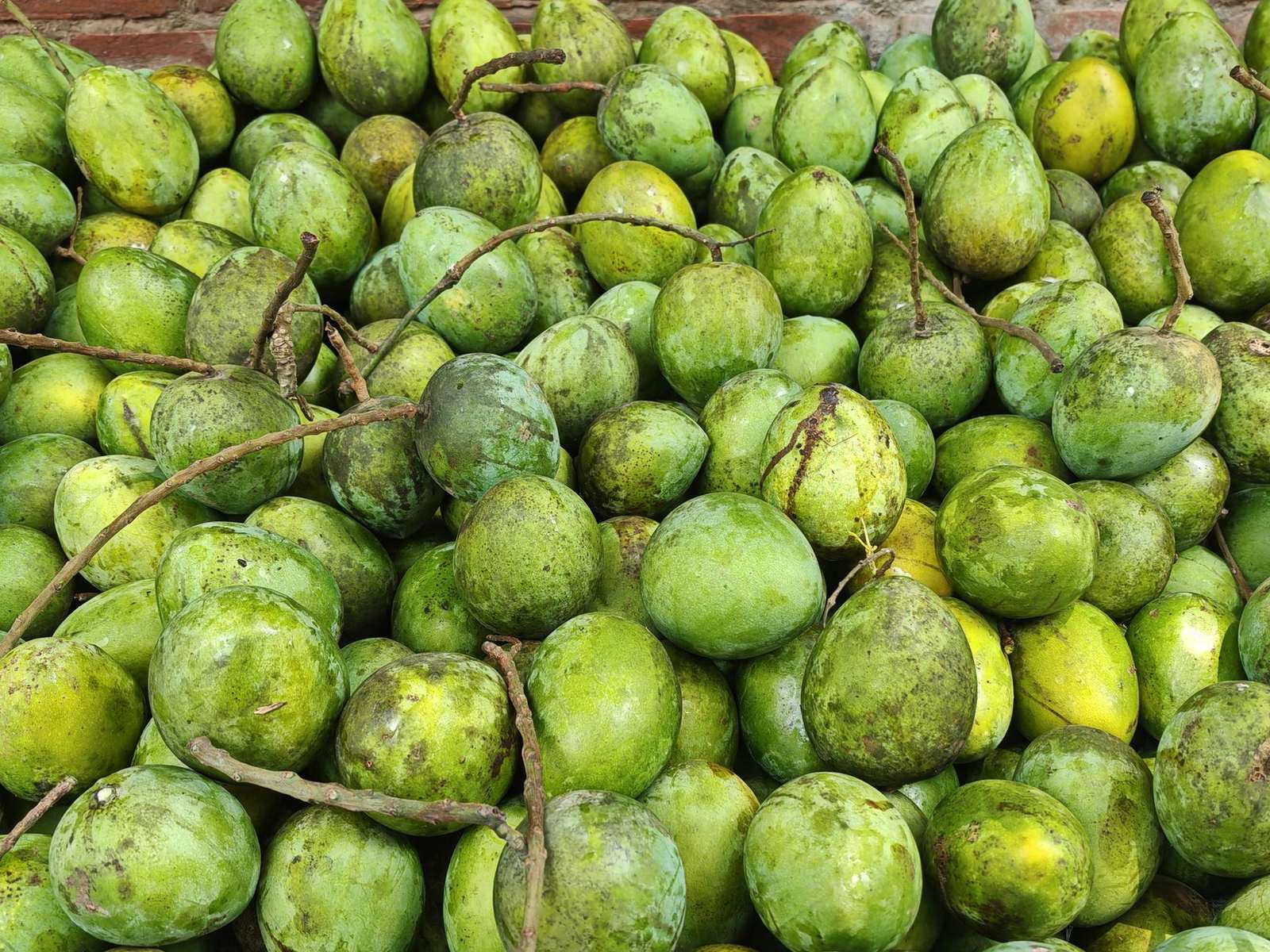
- Fruit you rarely see at home. Ask for a taste of anything unfamiliar. Good stalls will cut a piece so you can judge ripeness and sweetness.
- Cheese. Cheese counters often let you buy a small wedge. Ask which ones are local and which are imported.
- Cured and smoked meats. Choose products labelled shelf-stable for a souvenir bag, and follow their storage instructions.
- Dried goods and grains. Beans, grains, nuts and dried fruit are sold loose, so you can buy a small amount.
- Spices. Compare the aroma and unit price of loose whole spices with packaged options. Smell before you buy.
- Sweets and chocolate. Regional confectionery makes an easy gift.
- Salt cod, olives and preserved foods. Many Portuguese-influenced halls sell these. Ask how to prepare salt cod, because it needs soaking.
Prepared food is part of the visit too. Eating a sandwich or pastry at a counter lets you sample the prepared food.
How to choose well at the stall
Look first, then ask. A stall with steady turnover usually has fresher stock than one with a few tired items on display.
- Walk one full lap before you buy anything.
- Compare two or three stalls selling the same product.
- Ask for a taste of cheese, fruit or sweets where it is offered.
- Buy small amounts of perishables, and larger amounts of dry goods.
- Ask the seller how long something keeps and how to store it.
Prices at stalls are often not posted for every item. It is fine to ask the price before the seller starts weighing.
Building a basket by goal
Decide what the basket is for before you walk in. A clear goal stops you buying a little of everything and leaving with nothing you will use.
If you are cooking that night
Buy fruit and any fresh produce for the next day or two, plus one cheese or cured meat to anchor the meal. Ask the seller what is best today, not what is most famous.
If you are taking food home
Favour things that keep: dried goods, spices, sweets, hard cheeses and cured meats. Ask for them to be wrapped or vacuum sealed if the stall offers it.
If you want gifts
Sweets, chocolate, spices and regional drinks are easy to pack and easy to share. Choose items that carry a clear label, so the recipient knows what they are.
Mistakes that waste money
Most regrets at a market come from buying too fast. Slow down for the first few minutes and the rest of the visit gets easier.
- Buying fruit at the first stall, then finding better and cheaper fruit two aisles on.
- Choosing the biggest quantity because it looks like a deal, then throwing half away.
- Skipping the question “how do I store this?”, especially for cheese and salt cod.
- Packing heavy items on top of fragile fruit, so the fruit gets crushed.
- Ignoring the quieter stalls at the edge of the hall, which often have fair prices and friendly sellers.
Tourist-facing counters near the entrance can charge more than stalls deeper inside. Walk further in and compare before you pay.
Timing your visit
Hours matter. As of the city page I checked, the São Paulo market’s retail side runs Monday to Saturday from 6am to 6pm, and on Sundays and holidays from 6am to 4pm. The same page says the wholesale side works Monday to Saturday from 10pm to 6am.
Ask the stalls you want to visit when they are fully open and usually quieter.
Closing times differ from city to city, and some halls shut earlier on Sundays. Check the operator’s page for your market before you travel.
What to bring and how to carry it
Pack for a mixed haul: cheese, fruit and dry goods do not belong together in one thin bag. Our list of what to bring to a farmers market covers bags, cash and a small cooler, and it applies just as well here.
Put cheese and cured meats in a cool bag if you have a long trip back. Wrap spices and loose grains tightly so they do not leak.
If you are travelling by air, remember that some countries restrict meat, dairy and fresh fruit at the border. Check the rules for your destination before you buy.
Talking to sellers
Sellers are your best source of information, and most are happy to explain their products. A short, polite question gets a better answer than a long one.
- “What is best today?” invites the seller to recommend an item.
- “How do I keep this?” tells you whether it suits your trip.
- “Can I try a little?” is normal for cheese, fruit and sweets.
- “Where does it come from?” separates local goods from imports.
Even a few words in the local language help. Point, smile and use a translation app if you need to; nobody minds.
Be a considerate shopper: do not squeeze every piece of fruit, and do not taste without buying anything at all. A regular small purchase builds goodwill with a seller.
A building worth a look
The São Paulo market is also a landmark. According to the city page, the building was finished in 1932, but the Constitutionalist Revolution stopped its opening and it became a store for weapons and ammunition.
The page also credits the Gothic-style stained glass to the Russian artist Conrado Sorgenicht Filho. Look up at the windows between stalls; it is a free part of the visit.
Frequently asked questions
What should I buy first at a municipal market?
Show answer
Start with something you can taste: fruit, cheese or sweets. It shows you the quality of the market before you spend much.
Is it better to go early or late?
Show answer
The São Paulo market opens at 6am, according to the city page.
Can I buy small amounts?
Show answer
Usually yes. Loose goods such as spices, grains and cheese are commonly sold by weight, so ask for a small portion.
Do I need cash?
Show answer
Many stalls take cards, but not all. Carry some cash as a backup.