Wondering how a first visit will go? This farmers market guide covers what to expect: go early, bring cash and bags, taste before you buy, ask growers questions, and plan around what is in season.
| Item | Value |
|---|---|
| US farmers market directory listings, 1994 | 1,755 listings |
| US farmers market directory listings, 2011 | 7,175 listings |
| US farmers market directory listings, 2018 | 8,720 listings |
| US farmers market directory listings, 2019 | 8,771 listings |
| Food assistance benefits at markets | Not accepted at every market; varies by market |
The listing counts come from a USDA Agricultural Marketing Service chart of directory listings, and the benefits note from a university extension page on using EBT at markets. Figures can change, so check the source before you rely on them.
What a farmers market actually is
A farmers market is a regular gathering where growers and makers sell directly to shoppers. Some stalls are run by the producers themselves; ask who made or grew the products. That is the main difference from a shop: the person handing you the tomatoes can tell you which field they came from.
Markets vary widely. Some are a few tables in a car park on a weekend morning. Others fill a whole street or a covered hall with vendors, hot food, music and a queue for the best bakery.
Typical stalls include:
- Fresh vegetables, salad greens, herbs and fruit
- Eggs, honey, cheese and sometimes meat or fish
- Bread, pastries and preserves
- Cut flowers and plant starts
- Prepared food to eat on the spot
Markets have grown over the decades. According to the USDA directory count, listings rose from 1,755 in 1994 to 7,175 in 2011, and to 8,771 by 2019. Those are directory listings, which depend on managers reporting their markets, so treat them as a guide to scale rather than an exact census.
Reading labels and claims
Signs at a stall can mean different things. “Organic” may be a certified claim in some places and a loose description in others. “Spray-free”, “pasture-raised” and “heirloom” are descriptions rather than guarantees. The most reliable approach is to ask the vendor, and to look for any certificate displayed at the stall.
Most growers enjoy these questions. A good vendor can say what they use on the crop, when it was picked and whether they grew it themselves. If an answer is vague, that tells you something too.
How to find your market and plan the trip
Start by learning what is near you. Our guide on how to find a farmers market near you walks through directories, local council pages and community boards. Once you have a shortlist, check the day, the hours and the season, because many markets close in winter or run only a few months a year.
Before you go, look for these details:
- Opening days and hours, plus any seasonal break
- Where to park or which transport stops are close
- Whether the market takes cards, mobile payments or food assistance benefits
- Whether dogs, strollers or carts are welcome
- Which vendors you want to visit first
Timing changes the whole experience. Our piece on the best time to go to a farmers market explains the trade-off: arrive early for the widest choice and calmer aisles, or late for the chance of end-of-day deals.
What to bring and how to pay
A little preparation makes shopping easier. The full checklist is in our article on what to bring to a farmers market, but the basics are simple: sturdy bags, small notes and coins, and a cooler bag if you will be buying anything that must stay cold.
Cash still matters. Many small growers do take cards or phone payments, but signal can be patchy and small stalls may not have a reader. Small denominations also help vendors, who may struggle to change a large note first thing in the morning.
Using food assistance benefits
Many markets accept food assistance benefits, but not all do. The extension guide recommends confirming that your market accepts the specific benefits you intend to use. See the extension guide to using EBT at the farmers market for how one state handles it.
Where benefits are accepted, you usually visit the information table first. Staff there process your card and give you tokens or vouchers to spend with vendors. Ask about any matching scheme while you are there, since rules differ from place to place.
How to shop once you are there
Walk one full lap before you buy anything. You will see who has the best-looking produce, compare prices and avoid carrying heavy bags for the whole visit. Then circle back and buy.
Good habits for the lap:
- Taste first. Many growers offer samples of fruit, cheese or honey; use them.
- Look for produce that feels heavy for its size and smells of what it is.
- Buy the fragile items last so they are not crushed under potatoes.
- Ask what is at its peak this week and what will be gone soon.
- Buy a little of something unfamiliar and ask how to cook it.
Conversation is part of the value. Growers can tell you how a crop was raised, when it was picked and how long it will keep. If a label says “local” or “natural”, it is fair to ask what that means for that stall, because the words are not always tightly defined.
Prices and haggling
Prices at a market reflect small-scale growing, hand harvesting and the grower’s time. They can be higher than a supermarket for some items and lower for others, especially in peak season. If you wonder whether bargaining is acceptable, read can you negotiate prices at a farmers market before you try; in many places the answer is “politely, and rarely”.
A fair alternative to haggling is asking about “seconds”: slightly bruised or oddly shaped produce that is perfect for sauces, soups and baking. Some vendors sell these at a discount or bundle them at the end of the day.
Market manners and good habits
Markets run on goodwill, and a few simple habits keep them pleasant for everyone. Our guide to farmers market etiquette covers the details, from handling produce to queuing at busy stalls.
The short version:
- Avoid unnecessary handling, follow the vendor’s instructions and use any tongs or scoops provided.
- Do not block the front of a stall while you decide; step aside.
- Keep dogs and strollers out of narrow gaps when the market is crowded.
- Return crates, trays and egg cartons if the vendor reuses them.
- Say thank you; regulars are remembered.
Be patient with queues. Stall staff may be serving several shoppers at once. A friendly attitude tends to be returned with better advice and the occasional extra handful.
Eating with the seasons
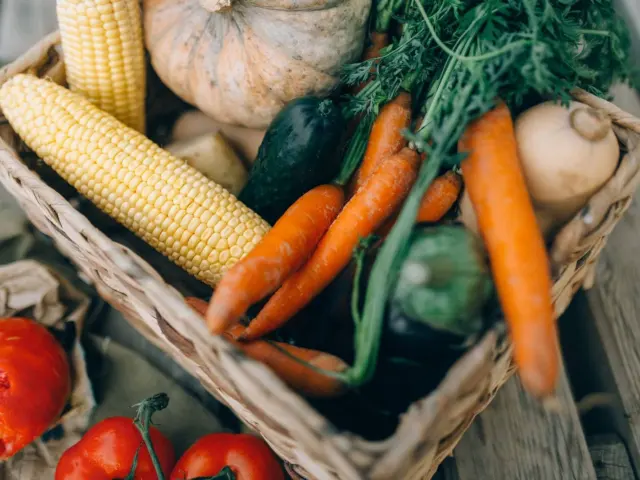
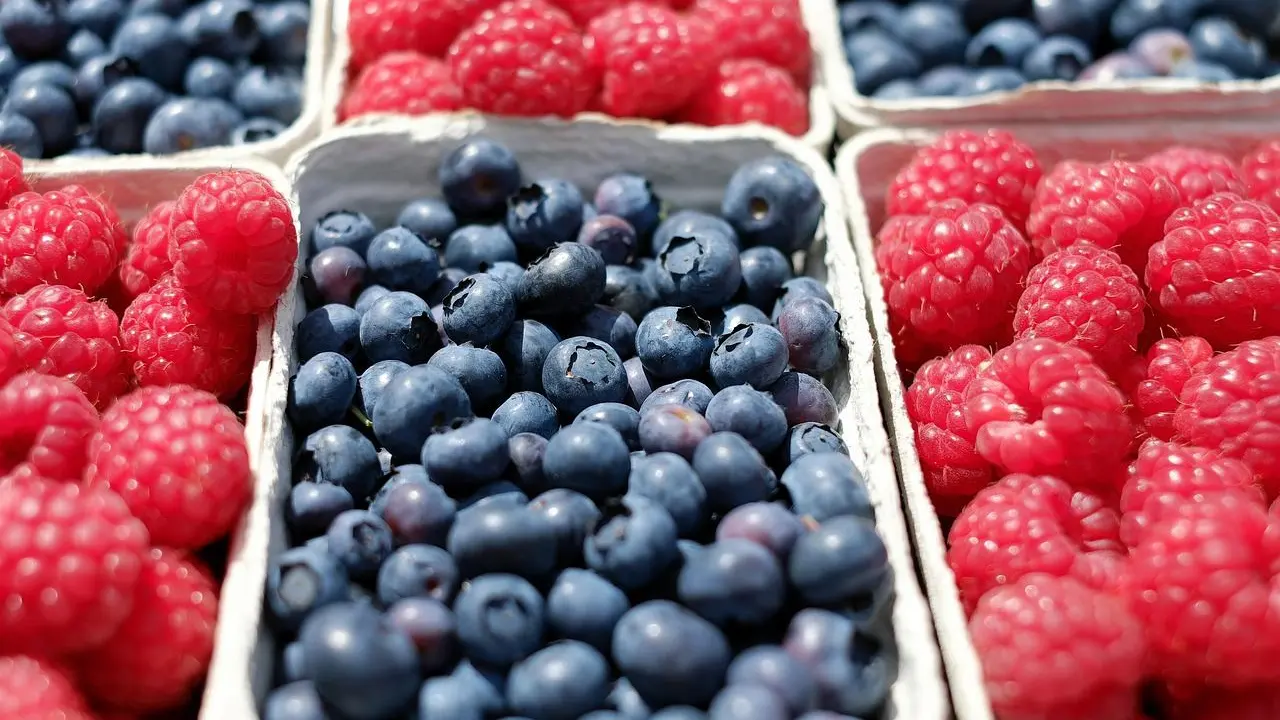
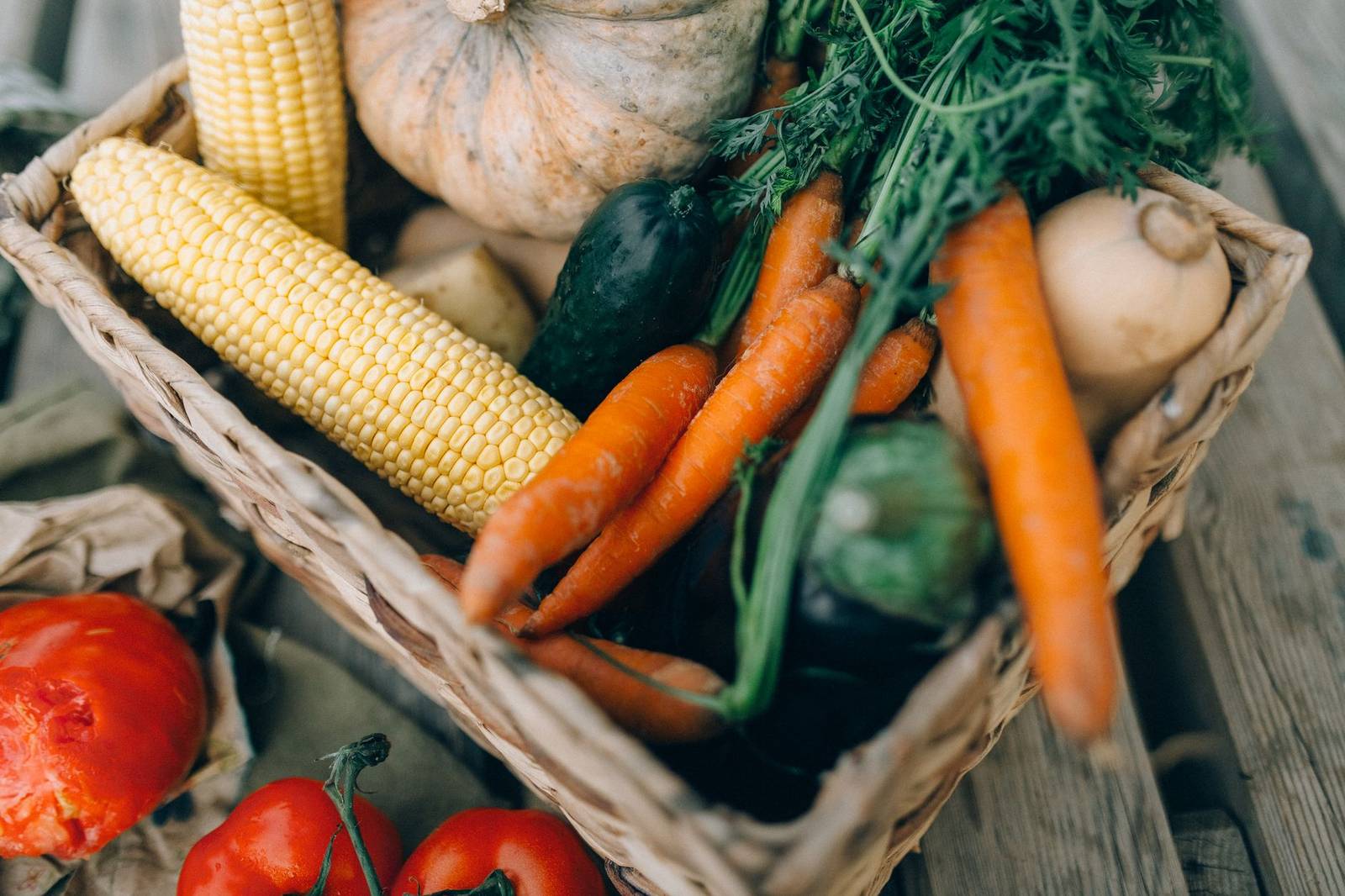
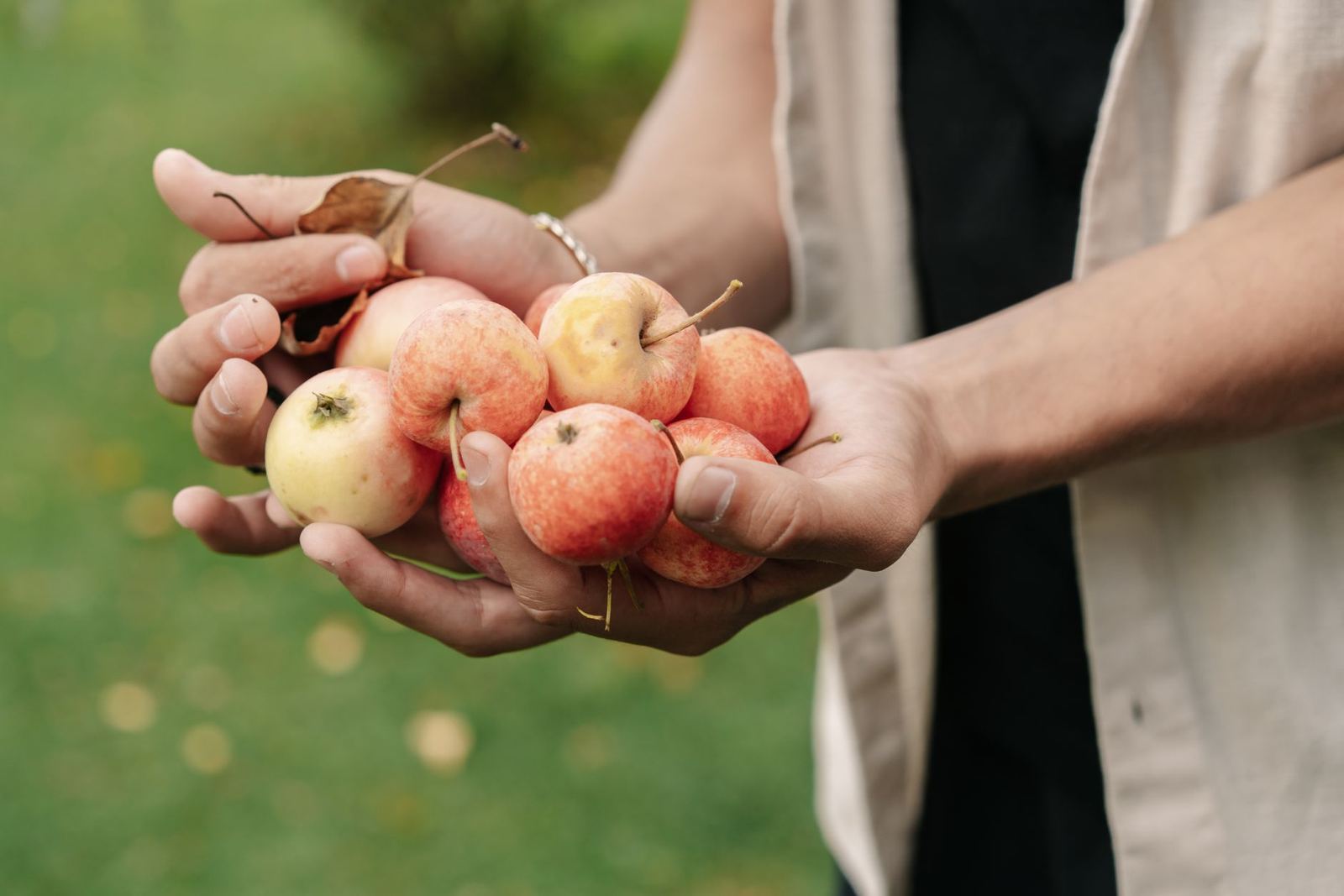
The biggest surprise for new visitors is how much the stalls change. In many temperate regions, the seasonal pattern looks roughly like this. Spring brings tender greens, radishes, asparagus and peas. Summer is the season of tomatoes, sweet corn, berries, peppers and stone fruit, while autumn shifts toward apples, squash, pears and roots. Winter markets, where they run, lean on storage crops, preserves, bread, eggs and greenhouse leaves.
This rhythm is a feature, not a limitation. Produce harvested in its natural season tends to taste better, is plentiful and is often better value, because growers have a glut to sell. When something is everywhere, it is usually at its best and its cheapest.
A few ways to use the calendar to your advantage:
- Buy extra of a crop at its peak and preserve it: freeze berries, make a batch of sauce, pickle surplus cucumbers.
- Build the week’s meals around what looks best rather than a fixed shopping list.
- Ask growers what is coming next so you can look forward to it.
- Compare prices through the season and ask whether any surplus produce is discounted.
Weather matters as well. A cold spring or a dry summer can delay or thin a crop, so a favourite item may be late or missing in a given season. Growers are usually happy to explain, and the explanation is often the most interesting part of the conversation.
Local weather also explains why the same crop arrives at different times in different regions. A market in a warm valley may have tomatoes weeks before a market in the hills, and both are in season for their own area. Following your own market through the calendar teaches you the local rhythm better than any chart.
Keep a simple note of what appears and when. After a full cycle of seasons you will know when to expect your favourites and when to stock up for the lean months.
A simple plan for your first visit
If you have never been, keep the first trip small and curious. You do not need to buy a full week of food; the goal is to learn the layout, meet a few growers and find the stalls you will return to.
- Decide on a modest budget and bring it in small notes.
- Arrive with an empty stomach and a bag that folds flat.
- Walk the whole market once, noting prices and quality.
- Pick two or three stalls and buy a few things from each.
- Choose one new ingredient to try at home that week.
- Note what you liked, and plan the next visit around it.
Many shoppers find that a market visit becomes a weekly routine. Regular customers get to know the people behind the stalls, hear about new crops first and sometimes have favourite items set aside.
Shopping with children
Markets are one of the easiest places to get children interested in food. Let them choose a vegetable they have never tried, taste samples and ask the grower how it grew. Keep them close in busy aisles, and bring a snack so that the stalls do not become a negotiation.
Common mistakes to avoid
- Buying everything at the first stall you pass, before you have compared.
- Leaving perishables in a hot car while you stay for coffee.
- Buying more than you can eat before it spoils, especially soft fruit.
- Expecting every item to be available all year.
- Assuming everything is organic or local without asking.
- Arriving with only large notes and a card that may not work.
Why shop at a market at all?
People go to farmers markets for different reasons, and none is wrong. Some want flavour: tomatoes that taste of tomatoes and eggs with deep orange yolks. Others want to support small growers, cut down on packaging or simply enjoy a morning outdoors with a coffee and a conversation.
There are also practical benefits. You can see exactly what you are buying, ask about growing methods and buy as little or as much as you need. Many vendors sell loose produce, so you can pick a single pepper rather than a pre-packed tray.
There are honest limits, too. Markets are open on set days, selection is narrower than a large store, and prices can be higher for some items. Many shoppers split their shopping: they buy produce, eggs, bread and cheese at the market and the pantry staples elsewhere.
Markets compared with other places to buy food
A farmers market is one of several ways to buy fresh food. If you are weighing it against the store, our comparison of farmers market vs supermarket looks at price, choice, freshness and convenience side by side.
Other market types work differently. A what is a wet market explainer covers markets that sell fresh meat, fish and produce, common across Asia. In Brazil and elsewhere in Latin America, the covered hall is often a municipal one; see mercado municipal what to buy for the specialities to look for.
For a broader view of picking and storing fruit and vegetables wherever you shop, read our fresh produce guide. It pairs well with the seasonal eating guide, which explains why a market’s stalls change through the year.
Getting the most from what you buy
Ripe, delicate produce can spoil quickly, so plan to use it promptly. Plan to eat the most delicate things first: berries, leafy greens, ripe peaches and fresh herbs. Hardier items such as roots, squash, onions and apples will last longer.
Simple storage rules help:
- Take leafy greens out of any tie or band, wrap them loosely in a clean cloth and refrigerate.
- Keep tomatoes and stone fruit on the counter until ripe.
- Store onions, garlic and potatoes in a cool, dark, dry place, apart from each other.
- Refrigerate eggs, dairy and meat promptly, ideally in a cooler bag on the trip home.
- Wash produce just before you use it, not when you unpack.
Wash everything you eat raw, even if it looks clean. Food safety agencies advise rinsing produce under plain running water rather than using soap, and drying it with a clean towel. Remember that washing reduces germs but does not remove them all, so keep raw produce away from raw meat in your bag and your fridge.
Cooking simply
Fresh, in-season produce rarely needs much. Roast roots with oil and salt, dress ripe tomatoes with good olive oil, wilt greens in a hot pan with garlic, or eat berries as they are. Let the main ingredient carry the dish and add herbs at the end.
If you bought something unfamiliar, ask the grower for their favourite way to cook it before you leave the stall. Growers eat their own crops all season and usually have a simple method they swear by. Write it down or take a quick note on your phone.
Reducing waste
Many edible parts of vegetables that are often discarded can be used in cooking. Carrot tops make pesto, beet greens can be sautéed like spinach, broccoli stems can be sliced into stir-fries, and tired vegetables turn into soup. Overripe fruit is ideal for baking, smoothies or jam.
Buy only what you will realistically use in the coming days, and freeze or preserve the rest straight away. A small plan on the way home prevents a drawer of limp greens a week later.
Frequently asked questions
Do I need to bring cash to a farmers market?
Show answer
It is wise to. Many vendors accept cards or phone payments, but not all, and connections can fail. Small notes and coins also make change easier for growers.
Is everything at a farmers market grown locally?
Show answer
Not necessarily. Rules differ by market, and some allow resellers or products from further away. Ask the vendor who grew an item and where, and check the market’s own policy if it matters to you.
Can I use food assistance benefits at a farmers market?
Show answer
Often, but not always. As a university extension page notes, not all markets accept all types of benefits, so check your market’s information table or website before you go.
Is it cheaper than the supermarket?
Show answer
It depends on the item and the season. In peak season, some produce is competitive or cheaper; specialty items often cost more. Buying what is abundant and asking about seconds can keep the bill down.
Should I wash market produce?
Show answer
Yes. Rinse it under plain running water just before you eat or cook it, and dry it with a clean towel. Soap or commercial wash is not needed.