Heard the term and wondered what is a wet market? It is a traditional market where vendors sell fresh meat, seafood and produce from open stalls, kept cool with water and ice.
This guide sits inside our farmers market guide, which covers fresh produce markets of every kind.
| Item | Value |
|---|---|
| Typical setting | Open-air stalls in closely packed rows |
| What is sold | Meat, aquatic food, fruit, vegetables, dairy, spices |
| How freshness is kept | Water and ice |
| WHO-proposed actions for traditional markets | Five actions |
| Outbreaks linked to some wet markets | SARS, H5N1 avian influenza, COVID-19 |
Figures and descriptions come from One Health and Development Initiative and Food Business Middle East & Africa. Guidance can change, so check the sources before you rely on them.
What a wet market actually is
Wet markets bring together vendors selling perishable foods; some also sell or slaughter live animals. The name is commonly associated with water used around stalls and ice used to chill food.
The term is loose. Different countries, cities and writers use it for quite different places, so it helps to look at what a given market really sells and how it is run.
The opposite is a “dry market”, which deals in durable goods such as clothing or electronics rather than perishables.
Where the name and the tradition come from
Markets selling fresh food daily are among the oldest forms of urban trade. Before home refrigeration, shoppers bought perishable food close to the day it was caught, slaughtered or picked.
The “wet” in the name points to the floors and counters. Stalls are hosed down, fish sit on ice, and produce is misted to stay crisp, so the ground is often damp.
Across the Asia Pacific, traditional markets take different forms in different countries. Many people in urban and rural areas rely on them as their main source of income.
How a wet market works day to day
Vendors usually rent or occupy small stalls and specialise. One sells whole fish, another cuts pork, another stacks leafy greens or herbs.
- Early supply: goods arrive before dawn so the best items are available when shoppers come.
- Direct buying: you pick the item, and the vendor weighs, cuts or cleans it for you.
- Bargaining and relationships: shoppers may build relationships with vendors over repeated visits.
- Cooling and cleaning: ice, running water and frequent hosing down are routine.
Traditional food markets can offer produce and animal products alongside ingredients such as spices.

What you will find at the stalls
Walking through a wet market is a sensory experience. You will hear vendors calling out prices, smell fresh herbs and sea air, and see produce piled in colourful heaps.
Where similar goods are grouped together, shoppers can compare nearby stalls. That makes comparing quality and price easier.
- Fish and seafood: displayed on ice, often whole, with the vendor ready to scale, gut or fillet.
- Meat and poultry: cut to order, from small joints to minced portions.
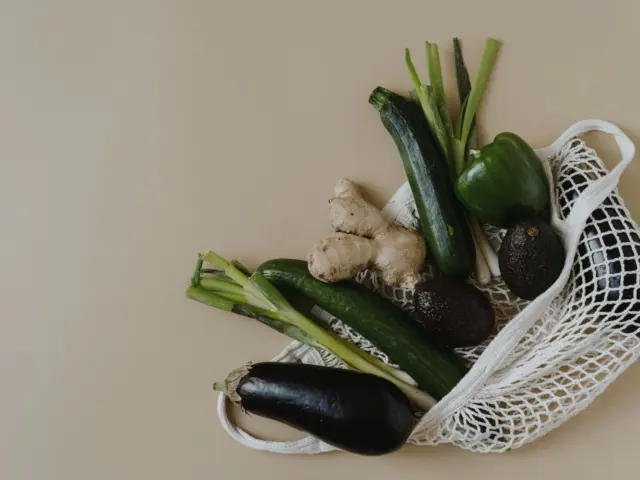
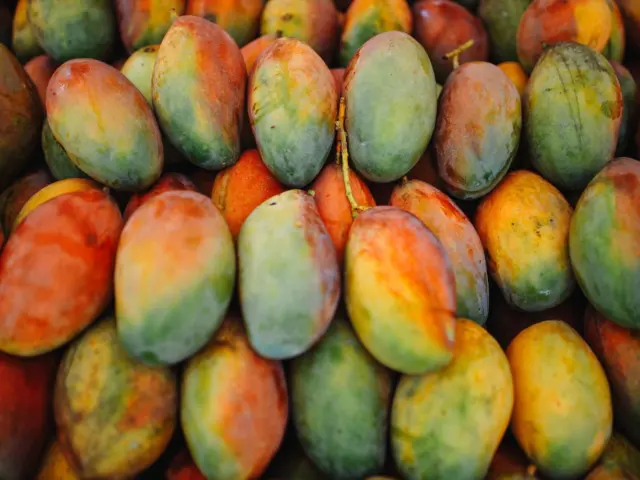
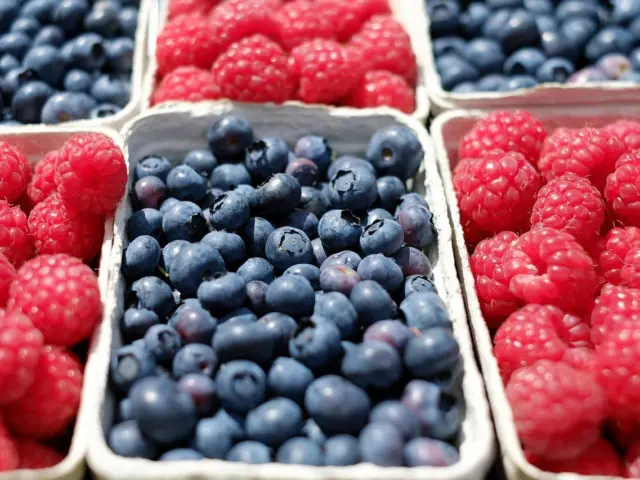
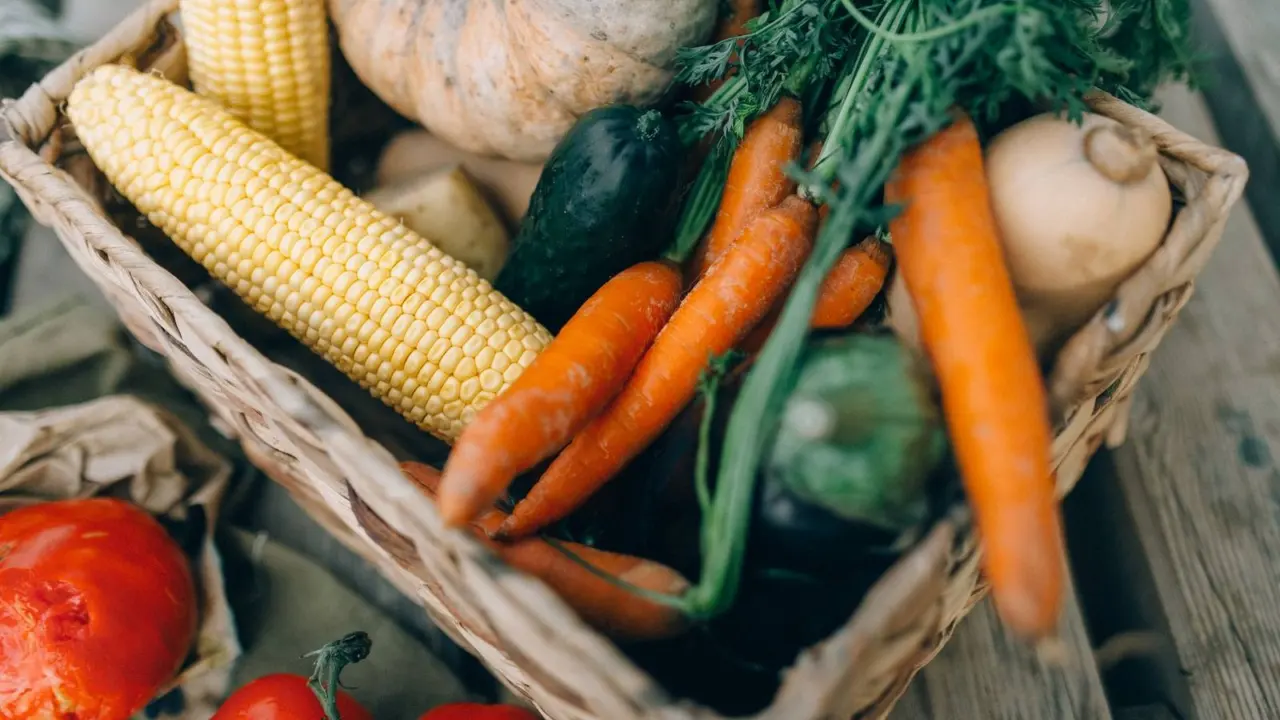
- Fruit and vegetables: seasonal, local and often sold loose by weight or by the pile.
- Herbs, spices and dairy: sold in small amounts, so you can buy only what you need.
Because the goods are fresh and unpackaged, you can inspect colour, smell and firmness before paying. That hands-on choice is a large part of the appeal for regular shoppers.
Many markets also have small food stalls or cafés nearby, where vendors and shoppers eat breakfast before the day gets busy. These corners are part of the social life of the market.
Why people still prefer them
For many households, the draw is freshness and choice. You can buy a small quantity of exactly what you want, ask how to cook it, and often get advice from someone who handles the product every day.
Price is another reason. Shoppers can compare neighbouring stalls in a minute and negotiate in many places, which is hard to do with a shelf label.
There is also an economic side. Traditional markets are a primary source of income for many traders, and they give local suppliers a place to sell without needing a large retail contract.
The WHO actions described here focus on improving safety in traditional food markets. The aim is better hygiene, safer handling and cleaner infrastructure so people keep affordable access to fresh food.
Wet market, farmers market or supermarket?
A wet market is closest in spirit to a farmers market, since both put you face to face with the seller. The difference is that many wet markets sell meat and seafood, and traders often buy from wholesalers rather than growing the goods themselves.
If you are weighing options, our comparison of farmers market vs supermarket shows how price, freshness and choice differ. For a covered, permanent hall in Portuguese- and Spanish-speaking places, see mercado municipal what to buy, which explains what to look for at the stalls.
Health and safety concerns
Wet markets have drawn attention because some have been linked to the emergence of infectious diseases, including SARS, H5N1 avian influenza and, more recently, COVID-19. Research also found that animal and seafood products sold in them often carry a high amount of harmful bacteria and other pathogens.
Where animals are slaughtered on site, market areas can become contaminated with body fluids, waste and faeces. That raises the risk of disease spreading to workers, customers and other animals.
The risk is not the same everywhere. Problems with market infrastructure, limited access to basic sanitary services and insufficient cleaning make safe food harder to maintain in the supply chain, and some markets also face flooding in heavy rain.
How to shop at one safely
WHO’s five recommended actions are ‘keep clean’, ‘avoid contamination’, ‘keep food products safe’, ‘reduce contact with animals’, and ‘stay safe and protect yourself’.
In practice, that translates to a few habits:
- Choose stalls that look clean, with meat and fish kept on ice or chilled.
- Keep raw meat and seafood away from produce in your bag.
- Avoid touching live animals, and wash your hands afterwards.
- Get perishables home quickly and cook meat and fish thoroughly.
- Rinse fruit and vegetables before eating.
A few extra habits make a first visit easier. Go early, when stock is freshest and the market is cooler, and bring a reusable bag and a small cooler bag for fish or meat.
Wear closed, non-slip shoes, because floors can be wet. Carry small notes so vendors can give change easily, and ask before photographing people or stalls.
If something looks or smells wrong, simply walk on. A good vendor will not mind that you shop around.
Frequently asked questions
Is a wet market the same as a farmers market?
Show answer
Not exactly. Both allow shoppers to buy directly from stallholders, but wet-market vendors are not necessarily the producers.
Why is it called a wet market?
Show answer
The usual explanation is the water and ice found around the stalls, which keeps perishable food cool and the floors washed.
Do wet markets only sell live animals?
Show answer
No. Many sell only fruit, vegetables, spices, dairy, fresh meat or fish. Live animals are sold in some markets, not all.
Are wet markets safe to visit?
Show answer
Many shoppers use them without problems. Hygiene varies by market, so follow basic precautions such as keeping clean and avoiding contact with animals.