Not sure what to buy when? A seasonal produce calendar shows what is at its best each month: roots and greens in cold months, berries and tomatoes in summer.
This page is part of our seasonal eating guide.
| Item | Value |
|---|---|
| What “in season” means | Best prices and best quality |
| July examples | Corn, cantaloupe, peaches, green beans, zucchini, tomatoes |
| October examples | Broccoli, spinach, cauliflower, sweet potatoes, cranberries, pumpkin |
| February example | Rhubarb |
Figures come from an Ohio State University Extension SNAP-Ed fact sheet, Shopping for Produce by the Season. Timing varies by region and year, so check the source before you rely on it.
What a seasonal produce calendar actually tells you
A calendar lists the fruits and vegetables that are in season, the time when, according to the fact sheet above, produce is available “at the best prices and at the best quality.”
It is a starting point, not a rule. Where you live, the weather that year and the variety all move the dates, so treat any chart as a guide and let your local market correct it.
Use it in three ways:
- Plan a few meals around what is plentiful this month.
- Spot which items are worth a splurge and which are better left until later.
- Decide what to preserve while it is cheap.
Spring: tender greens and early crops
Spring is when markets shift from storage crops to fresh growth. Expect leafy greens, radishes, peas and asparagus in many regions, though the exact weeks depend on your climate.
Keep spring cooking light. Steam, sauté briefly or eat raw, because young vegetables lose their character when cooked long.
The fact sheet places rhubarb in February, a reminder that “spring” produce can show up earlier than the calendar suggests, depending on where it is grown.
Summer: the peak for fruit and fruiting vegetables
For July, the Ohio State fact sheet lists corn, cantaloupe, peaches, green beans, zucchini and tomatoes, along with berries such as raspberries and blueberries.
Summer abundance can offer good value, depending on local prices. A tomato at its peak needs little more than salt and oil.
Summer gluts are also the best time to put food away. Our guides on how to freeze fresh produce and how to can tomatoes at home cover two common ways to do it.
Autumn and winter: roots, brassicas and storage crops
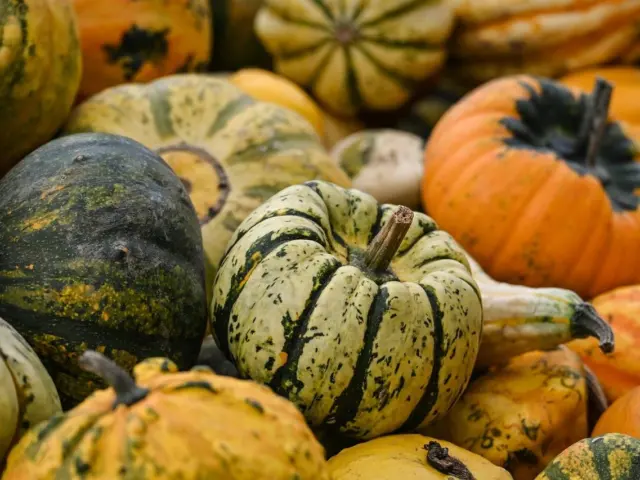
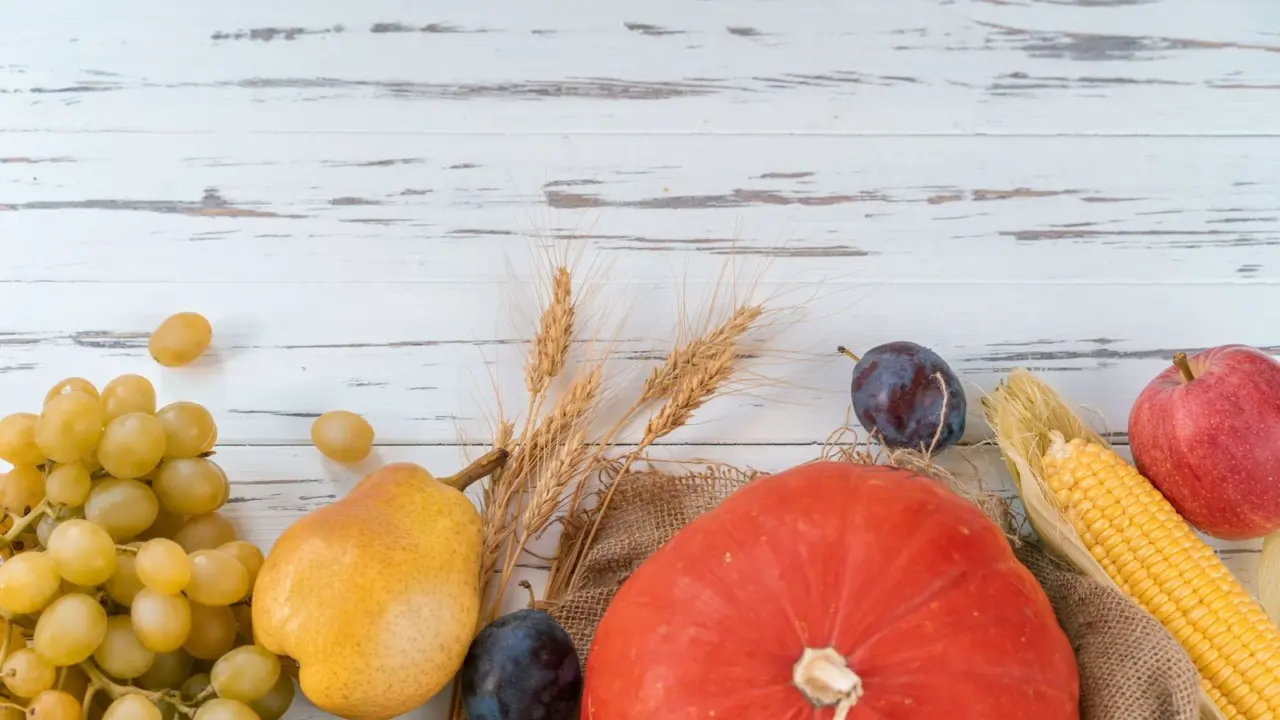
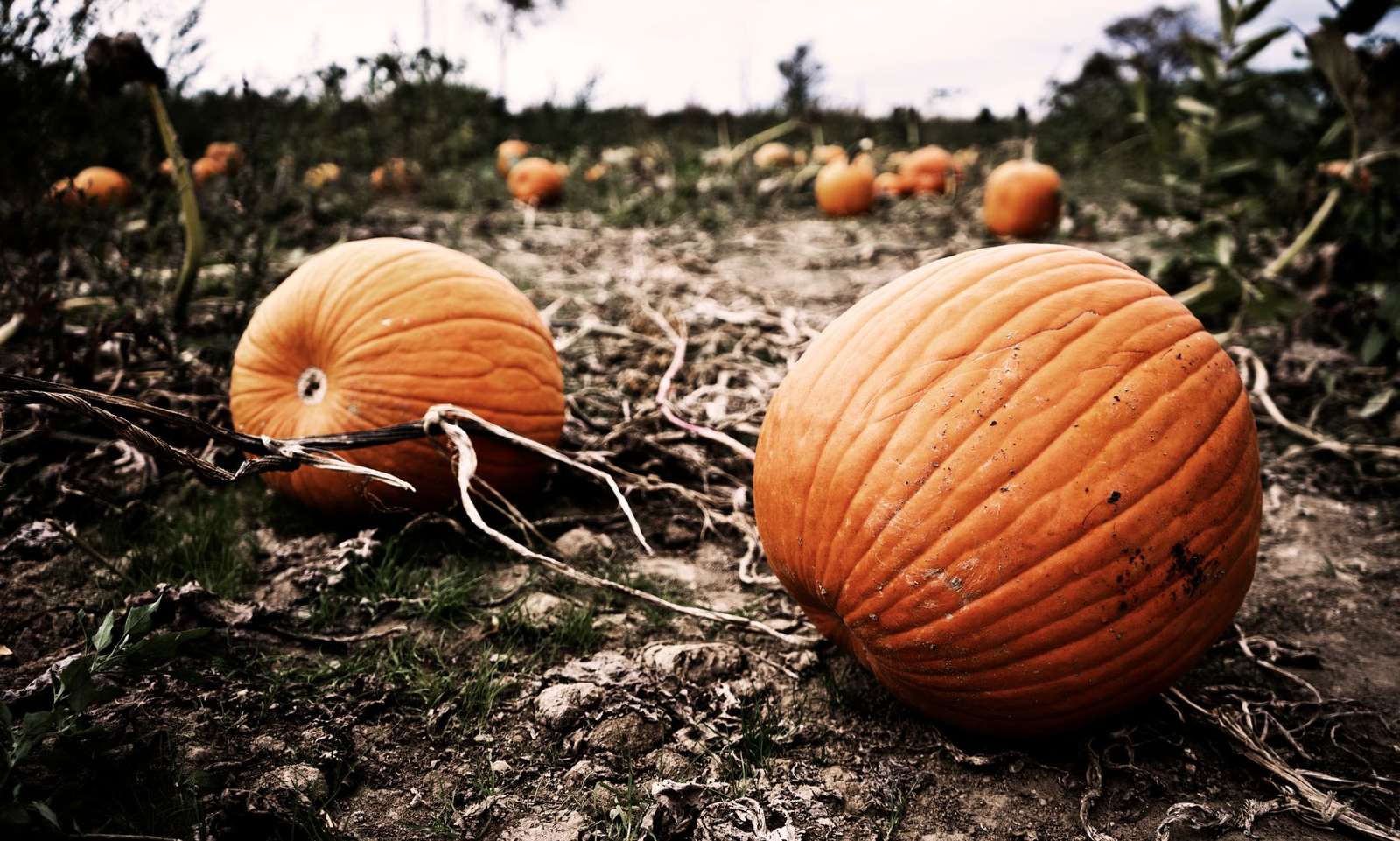
For October, the same fact sheet lists broccoli, spinach, cauliflower, sweet potatoes, cranberries, pomegranates and pumpkin.
These foods suit slower cooking: roasting, soups and stews. Storage needs vary: refrigerate spinach, broccoli and cauliflower, and check suitable conditions for the other items.
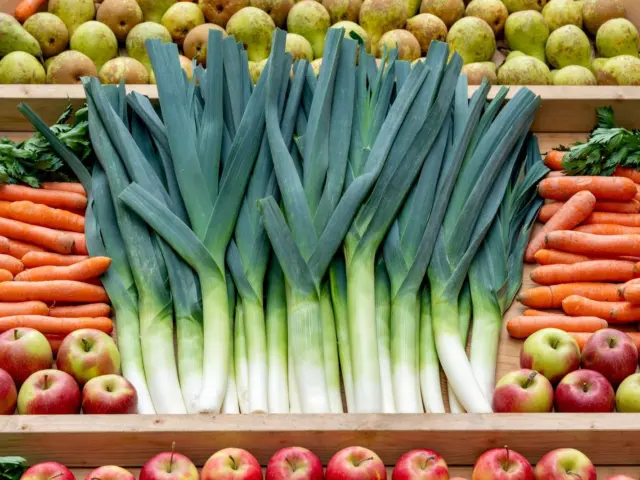
In winter, lean on cabbage, kale, leeks, potatoes and citrus where they are grown or shipped near you. Check labels and ask the seller where an item came from.
How to use the calendar at your market
- Walk the whole market once before buying. Plentiful displays can suggest seasonal abundance; ask sellers where and when the produce was grown.
- Ask each seller what was picked this week.
- Buy one new item each visit, so your cooking changes with the seasons.
- Buy extra of anything cheap and abundant, and preserve it.
Mixed results are normal. A cold spring or a dry summer can push a crop back by weeks, so keep a flexible shopping list rather than a fixed one.
Imported or greenhouse produce still has a place. Out-of-season items can be good, but you will usually pay more, and quality can vary.
Building your own local calendar
A printed chart is only the first draft. Your own notes can help adapt a printed chart to your market.
Start a simple record. Each time you shop, write down what looked best, what was cheapest and what the sellers were excited about.
- Month: note the month and rough weather.
- Arrivals: mark the first week an item appears.
- Peak: mark when stalls are piled high and prices ease.
- Tail: note when quality drops or the item disappears.
Over time, your notes may reveal recurring patterns, though weather and supply changes can still bring surprises.
Cooking with the seasons
Seasonal cooking is mostly about matching method to ingredient. Hot, heavy dishes suit cold months, and cool, quick dishes suit warm ones.
A few simple pairings help:
- Summer: raw tomatoes with salt and oil, grilled zucchini, corn cooked briefly, fruit eaten as it is.
- Autumn: roasted pumpkin or sweet potatoes, cauliflower and broccoli baked until browned, spinach wilted into soups.
- Winter: braised cabbage and kale, leek and potato soup, citrus to brighten heavy dishes.
- Spring: lightly cooked greens, peas and asparagus, rhubarb stewed with a little sugar.
Do not worry about recipes at first. Buy what looks best, then ask a seller how they cook it. Market staff and growers often know simple methods that suit their own crop.
Storing and stretching what you buy
Seasonal produce still spoils, and freshness depends on harvest timing, transport and storage. Good storage lets you enjoy a peak-season bargain for longer.
Keep tender greens and berries cold and dry, and eat them first. Leave tomatoes at room temperature while they ripen. Store potatoes, pumpkin and onions somewhere cool, dark and dry.
When you buy more than you can eat, preserve it the same week. Blanching and freezing, drying, pickling and cooking into sauces all work, depending on the item. Preserved summer fruit in winter is the best use of a seasonal calendar, since you pay a peak-season price for it.
Common mistakes when following a calendar
Charts are easy to misread, so keep a few habits in mind.
- Treating dates as exact. A chart gives a window, not a deadline. Early and late years are normal.
- Ignoring your region. A national chart cannot know whether your area is cool and wet or hot and dry.
- Skipping the shoulder weeks. The first and last weeks of a crop often have the highest prices and the most variable quality.
- Buying too much at once. A bargain is no bargain if half of it spoils before you cook it.
The fix for most of these is simple: look, taste if the seller allows it, and ask. Your eyes and a short conversation will correct a chart faster than any amount of reading.
Seasonal eating should make shopping easier and more enjoyable, not add rules. If a calendar starts to feel like homework, loosen up and follow what is plentiful.
Frequently asked questions
Is seasonal produce always cheaper?
Show answer
Usually, since supply is high. The Ohio State fact sheet describes in-season produce as available at the best prices and quality, but local conditions can change that.
Does the calendar work in every region?
Show answer
No. Climate shifts the timing, so use any chart as a rough guide and compare it with what your local market is selling.
Can I still eat out-of-season produce?
Show answer
Yes. Frozen and preserved produce is a practical option, and you can prepare your own when items are at their peak.
Which month has the widest choice?
Show answer
Our source does not rank months. Summer months such as July have a long list of fruits and vegetables, as the fact sheet shows.