Not sure what’s polite at a stall? Good farmers market etiquette comes down to a few habits: ask before you taste, carry small bills, bring your own bag, and treat the vendor’s table with care.
This page is part of our farmers market guide.
| Item | Value |
|---|---|
| Best cash to carry | Small denominations |
| Example of bad change habit | Paying for a $5 item with a $100 bill |
| Samples | Taste only designated samples or food the vendor gives you permission to try. |
| Dogs | Several outdoor markets do not allow animals |
| Cash and price | Paying cash may get a lower price, as the vendor avoids a card fee |
Figures and rules come from Made Urban’s shopper guide and UF/IFAS Extension. Market rules and prices can change, so check the source and your local market before you rely on them.
Why farmers market etiquette matters
A farmers market is not a supermarket. Treat the people staffing each stall with consideration for their work and limited change.
Shopping courteously respects the work behind each stall and the vendor’s livelihood. The relaxed, friendly feel of a market is real, but it is not a reason to skip the ordinary courtesies of shopping.
Small courtesies make that day easier for them. They also tend to make your own visit smoother, because vendors remember friendly regulars.
If you have not yet picked a market, start with how to find a farmers market near you, then read the rules each one posts.
Handling produce and sampling
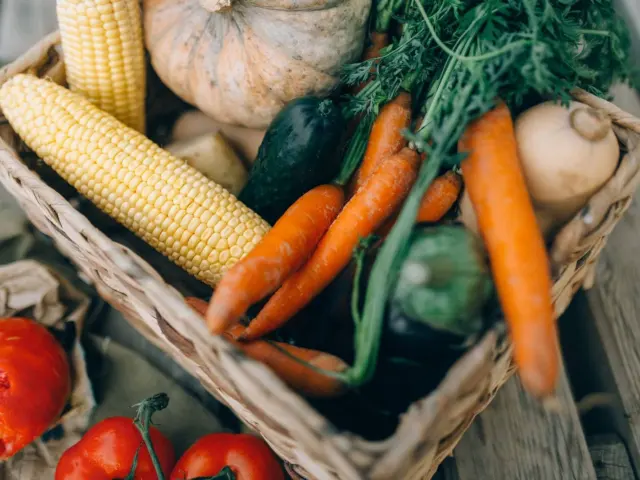
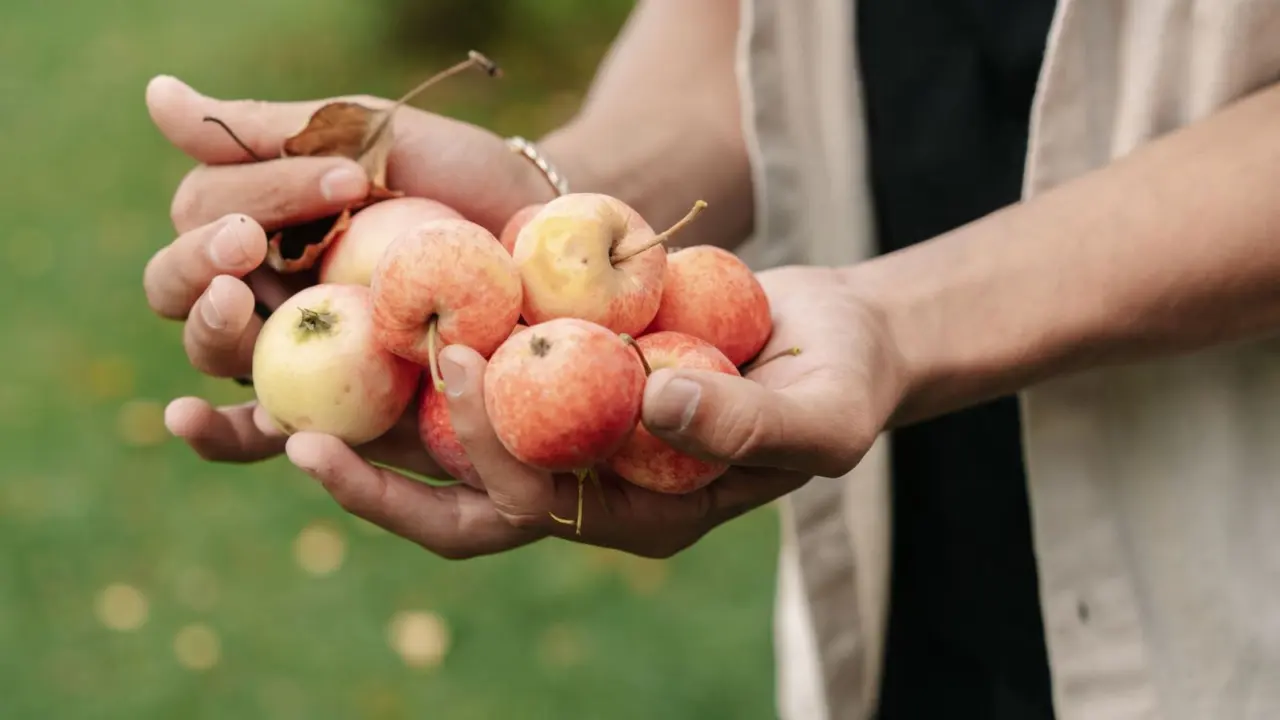
Look first, touch gently. Squeezing soft fruit, pressing tomatoes or pulling leaves off a bunch damages food that someone else will have to buy or the farmer will have to throw away.
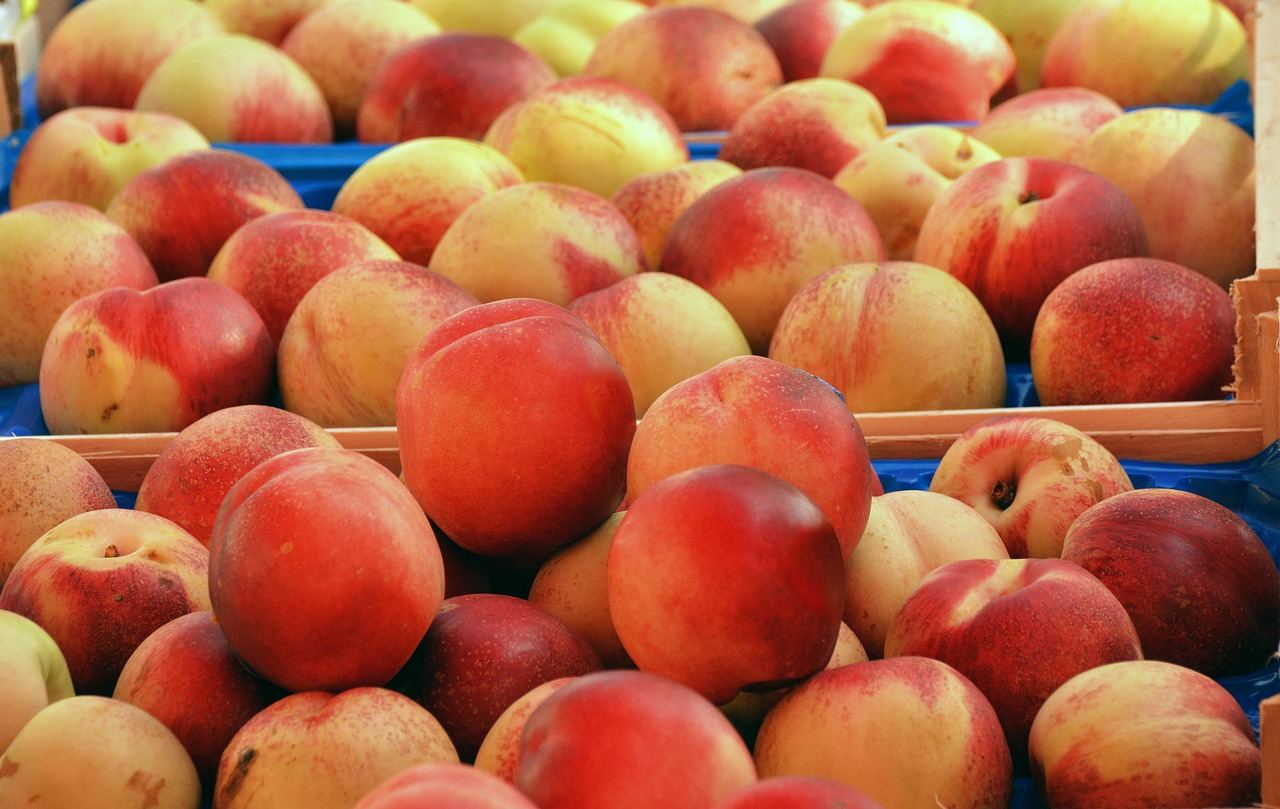
If you want a particular piece, point to it and ask the vendor to hand it over or pick one for you. Most are happy to help you find a ripe peach.
Samples need their own care. Taste only food offered for sampling or explicitly offered by the vendor.
- Take one small taste, not a handful.
- You are not obliged to buy from every vendor whose sample you try.
- Don’t go to the market hungry and fill up on samples.
Paying: cash, change and card fees
Bring small bills. Vendors carry limited change, and Made Urban notes that a $5 purchase paid for with a $100 bill can leave the seller short of change.
UF/IFAS Extension also advises carrying small denominations of cash, which keeps your spending in check and makes paying easier. It adds that cash is preferred and that EBT is also accepted by most markets it describes.
Many vendors take cards or mobile payments, but a card costs them a fee. UF/IFAS suggests that avoiding card-processing charges can sometimes give sellers room to offer cash customers a discount.
Asking for a discount is a separate matter, and it depends on the market and the seller. Our piece on can you negotiate prices at a farmers market covers that in detail.
Bags, dogs and crowds
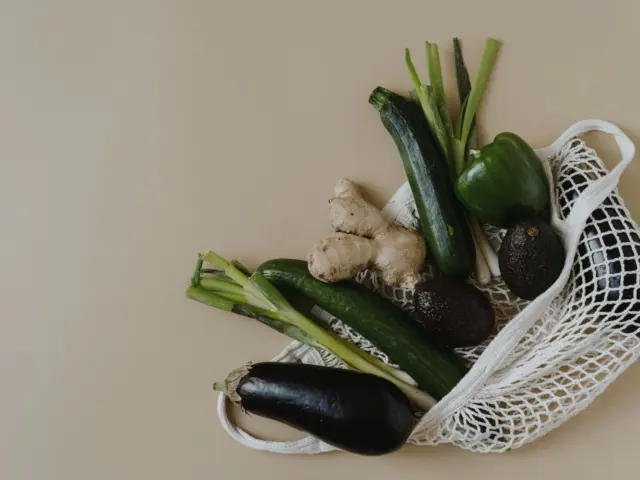
Bring a reusable shopping bag, ideally more than one. Made Urban recommends reusable bags to reduce sellers’ packaging expenses; pack heavy purchases separately from delicate produce.
Dogs deserve a check before you leave home. Check the pet policy before bringing a dog, even to an outdoor market.
Where dogs are welcome, supervise them and keep them away from stall displays.
In crowds, keep strollers, carts and wide bags out of the way. Don’t block a stall while you decide, and step aside to check your list or your phone.
Farmers market etiquette for timing, kids and weather
Be mindful of start times. Give sellers space to unpack and prepare their stalls before opening.
Browsing before opening can interrupt a vendor’s preparations. If you arrive before the opening signal, ask before you start shopping, and otherwise wait.
Children and pets need the same attention. Made Urban recommends supervising children so they do not disrupt sellers or damage merchandise.
- Keep young children close to you and away from stacked displays.
- Teach them to look with their eyes first, and to ask before touching or tasting.
- Let them hand over the money or carry the bag, which keeps them engaged and out of the way.
Weather is the other test. Check whether your market is operating in poor weather; Made Urban notes that vendors prepare even when conditions are unappealing. Made Urban suggests that quieter market days offer more opportunities to browse and talk with sellers.
Talking with vendors
The best part of a market is the conversation. Ask how a vegetable is grown, what is at its peak this week, or how the farmer would cook it; most vendors enjoy these questions when the stall is quiet.
When there is a queue, keep questions short and let the line move. A longer chat can wait until the rush passes, or until your next visit.
It also helps to know what you want before you reach the front. A rough list, as UF/IFAS suggests, lets you buy quickly and avoid impulse purchases that go to waste.
If you spot a problem, such as a bruised piece in a bag you just paid for, say so politely and calmly. Vendors are running a business and working hard to make a living from what they sell, so a courteous word usually gets a courteous answer.
Making the most of your visit
A little planning helps both sides. UF/IFAS suggests making a list of items you would like to buy, and the same page points to the USDA National Farmers Market Directory for markets that accept EBT and other federal nutrition programs.
- Check the market’s rules on pets, payment and bags before you go.
- Bring small bills, a list and reusable bags.
- Look before you touch, and ask before you taste.
- Say thank you, and come back next week.
Frequently asked questions
Can I taste produce before buying?
Show answer
Only from displays marked as samples, or after the vendor gives permission. Don’t assume loose produce is free to try.
Is it rude to pay with a large bill?
Show answer
It can be. Vendors carry limited change, so small bills are kinder, especially for small purchases.
Can I bring my dog?
Show answer
Only if the market allows it. Several outdoor markets do not allow animals, so check first, and keep your dog away from tables.
Do I have to buy from every vendor whose sample I try?
Show answer
No. You are not obligated to purchase from every vendor you sample from, but avoid treating samples as a meal.