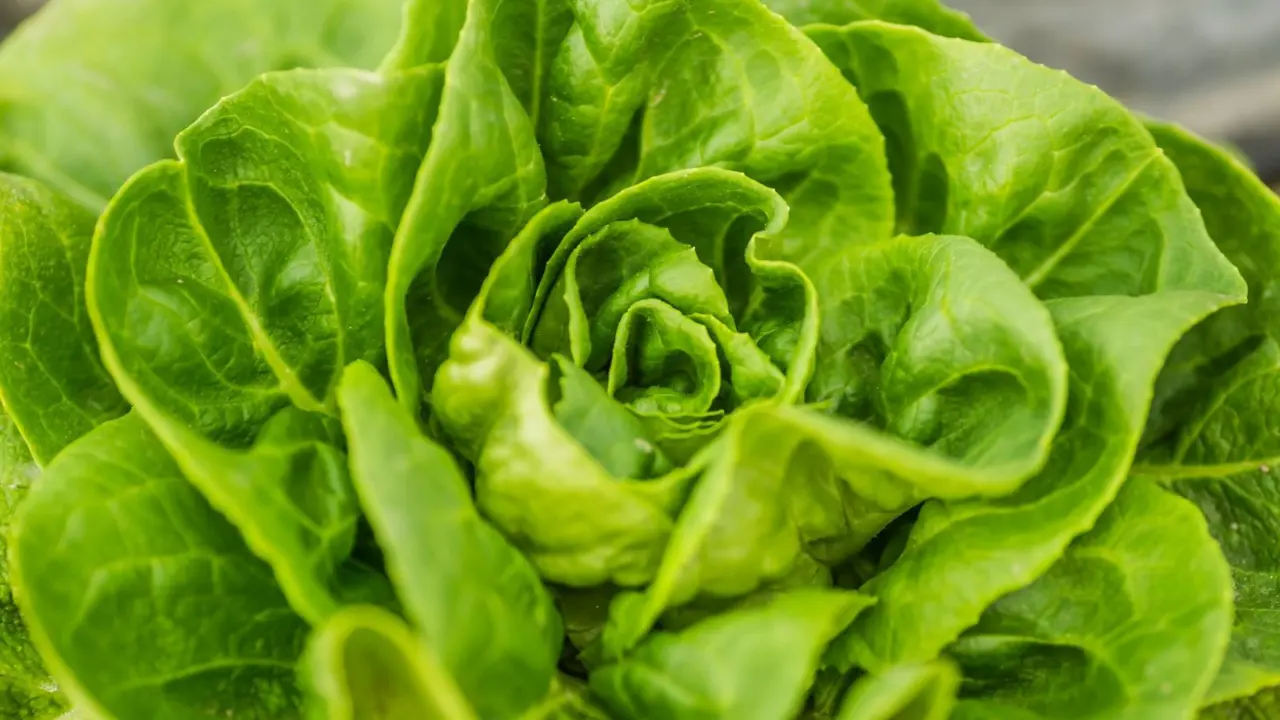
Tired of finding slimy lettuce at the back of the fridge? Here is how to keep lettuce fresh longer: keep it cold, keep it dry, give it airflow, and cull bad leaves early.
New to the topic? Our fresh produce guide covers the wider picture of buying and storing produce.
| Item | Guidance |
|---|---|
| Fridge temperature for lettuce | 40° F or below |
| How to check the temperature | Use a refrigerator thermometer |
| Pre-cut or packaged greens | Refrigerate |
| Soap, detergent or produce wash | Not recommended |
| Bruised or damaged parts | Cut away before eating |
These figures come from a February 2018 produce safety handout. Guidance can change, so check the source before you rely on it.
Why lettuce spoils so quickly
Lettuce is mostly water in thin, tender leaves. That makes it fragile: leaves bruise, wilt and rot faster than sturdy vegetables such as carrots or cabbage.
Three things do most of the damage: warmth, trapped moisture and bruised leaves. Warmth speeds up wilting. Water sitting on leaves invites slime. A single crushed leaf can start rot that spreads to its neighbours.
The good news is that each of these is easy to control at home.
Start at the market
Storage begins before you get home. The handout recommends inspecting produce for damage and checking that bagged greens are kept cold at the shop.
When you shop, look for these signs:
- Crisp, evenly coloured leaves with no brown or glassy patches.
- A fresh-looking cut or base on whole heads, not a dry, browned one.
- No slimy residue or liquid pooled inside bagged salad.
Pick up lettuce last and take it home promptly, so it spends little time warm in a bag or car.
Set your fridge up for lettuce
The same handout says to store perishable items such as lettuce in a clean refrigerator at 40° F or below, and to use a refrigerator thermometer to check. Use a refrigerator thermometer to verify the actual temperature.
Use the crisper drawer if you have one, because it holds humidity higher than the main shelves. Keep lettuce away from raw meat, poultry and seafood, and give it room so leaves are not squashed.
Fruit is worth thinking about too. Some ripening fruit gives off ethylene gas, which can speed yellowing in leafy greens, so many cooks keep the two in separate drawers.
How to keep lettuce fresh longer, step by step
This method works for whole heads, loose leaves and torn lettuce alike. The key is to remove surface water without bruising the leaves.
- Trim and cull. Pull off wilted or browned outer leaves; discard lettuce that is slimy or rotten. Cut away any damaged or bruised areas.
- Washing before storage is optional, but rinse lettuce under running water before preparing or eating it unless labelled pre-washed or ready to eat. Pre-washed bagged greens that say so on the label need no further washing.
- Dry thoroughly. Use a salad spinner, then pat leaves with a clean cloth or paper towel. The handout notes that after washing you should dry produce with a clean cloth or paper towel.
- Wrap loosely. Line a container or a bag with a dry paper towel, add the leaves, and top with another towel to absorb moisture.
- Leave some air. Do not pack the container tight. Crushed leaves go limp and brown.
- Refresh the towel. When the towel feels damp, swap in a dry one.
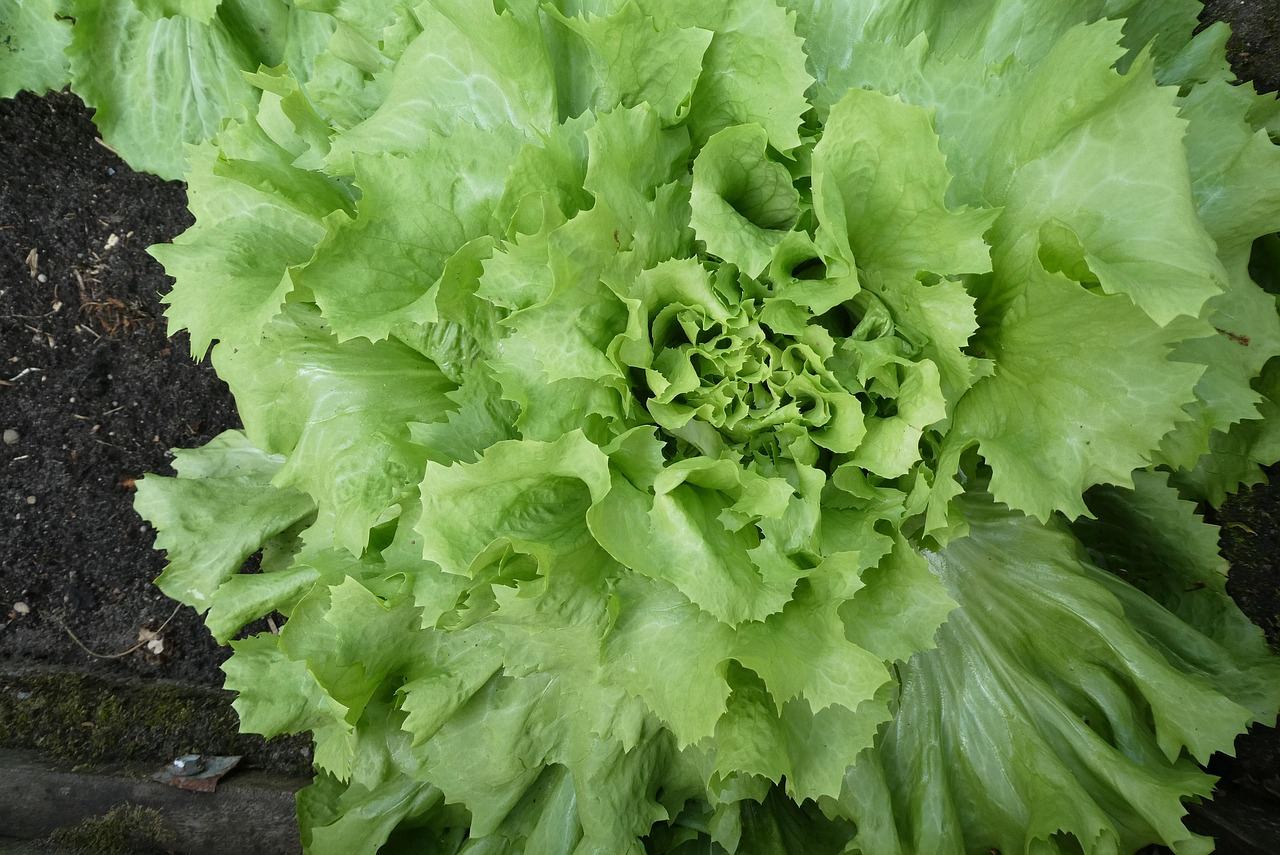
For a step-by-step on cleaning, see our guide on how to wash fresh vegetables. Do not use soap, detergent or commercial produce wash, which the handout says is not recommended.
Whole head, loose leaves or bagged?
Different formats keep differently. As a rule of thumb, the less you cut and tear, the longer lettuce lasts.
- Whole heads can keep well when stored intact, depending on variety and initial freshness. Keep the head intact and only remove leaves as you need them.
- Loose leaves have more cut and torn surface, so dry them especially well and use them sooner.
- Bagged salad mixes are refrigerated products, and the handout says to refrigerate all produce bought pre-cut or packaged. Once opened, add a dry paper towel to the bag and reseal it.
Whichever you buy, use the most delicate leaves first and keep sturdier ones for later in the week.
Mistakes that shorten lettuce life
Most lettuce is lost to habits, not bad luck. Watch for these common slips:
- Storing it wet. Damp leaves in a sealed bag turn slimy fast. If you wash ahead, spin and pat dry first.
- Sealing it airtight with no towel. A closed bag traps moisture that the leaves release. A dry towel inside soaks it up.
- Cutting with a dull knife. Many cooks tear lettuce by hand or use a sharp knife, because crushed edges brown sooner.
- Dressing early. Salt, oil and acid wilt leaves quickly. Add dressing just before serving.
- Leaving it on the counter. Warm rooms speed wilting, so return lettuce to the fridge between uses.
- Reusing a soggy towel. A wet, used towel keeps moisture against the leaves instead of removing it.
A simple lettuce storage routine
You do not need special gadgets. A little prep on the day you shop makes lettuce ready to use and far less likely to be forgotten.
On shopping day, cull any damaged leaves, rinse if the lettuce needs it, dry well and wrap with towels in a roomy container. Put it in the crisper drawer where you will see it, not behind jars.
Midweek, take a quick look. Swap out a damp towel, remove any leaf that has started to brown, and use the most delicate leaves first. Use sturdier romaine or iceberg hearts later only if they remain fresh.
If you eat salad daily, consider storing the leaves in a container you can lift straight onto the table. Easy access means less waste, and lettuce you can see is lettuce you will eat.
Using up lettuce before it turns
Even with good storage, a big head can outlast your salad plans. Use leftovers in dishes where texture matters less, so nothing goes to waste.
- Layer crisp leaves into sandwiches, wraps and tacos.
- Use sturdy leaves as cups for fillings.
- Shred romaine or iceberg into soups and stir-fries near the end of cooking.
- Blend slightly limp, clean leaves into green smoothies.
Planning meals around the most fragile greens first also helps. Buy what you will realistically eat in a few days, especially delicate mixes, and choose whole heads when you want lettuce to last.
At a market, it is fine to ask the seller when the lettuce was harvested or delivered. Fresher lettuce starts with more usable life, so it stays good longer once it is in your fridge.
Signs it is time to let go
Storage tricks stretch freshness, but they cannot rescue lettuce that has turned. The handout advises throwing away any produce that looks rotten.
Discard lettuce that is slimy, smells sour or has dark, mushy patches. Limp but otherwise clean leaves are different: soaking them in cold water for a few minutes often revives them, and they are fine for cooking, soups or smoothies.
If you are also planning fruit for the week, our piece on how to select ripe mangoes helps you buy fruit at the right stage.
Frequently asked questions
Should I wash lettuce before storing it?
Show answer
If you wash it, dry it completely before it goes in the fridge. Otherwise wash just before eating, and skip pre-washed greens that are labelled ready to eat.
Do paper towels really help?
Show answer
Yes, a dry towel absorbs excess moisture that would otherwise sit on the leaves and encourage slime. Replace it when it gets damp.
What temperature should my fridge be?
Show answer
The February 2018 handout cited above says 40° F or below, and suggests checking with a refrigerator thermometer.
Can I revive wilted lettuce?
Show answer
Mildly wilted leaves often perk up after a cold-water soak, then a thorough dry. Slimy or rotten lettuce should be thrown away.